
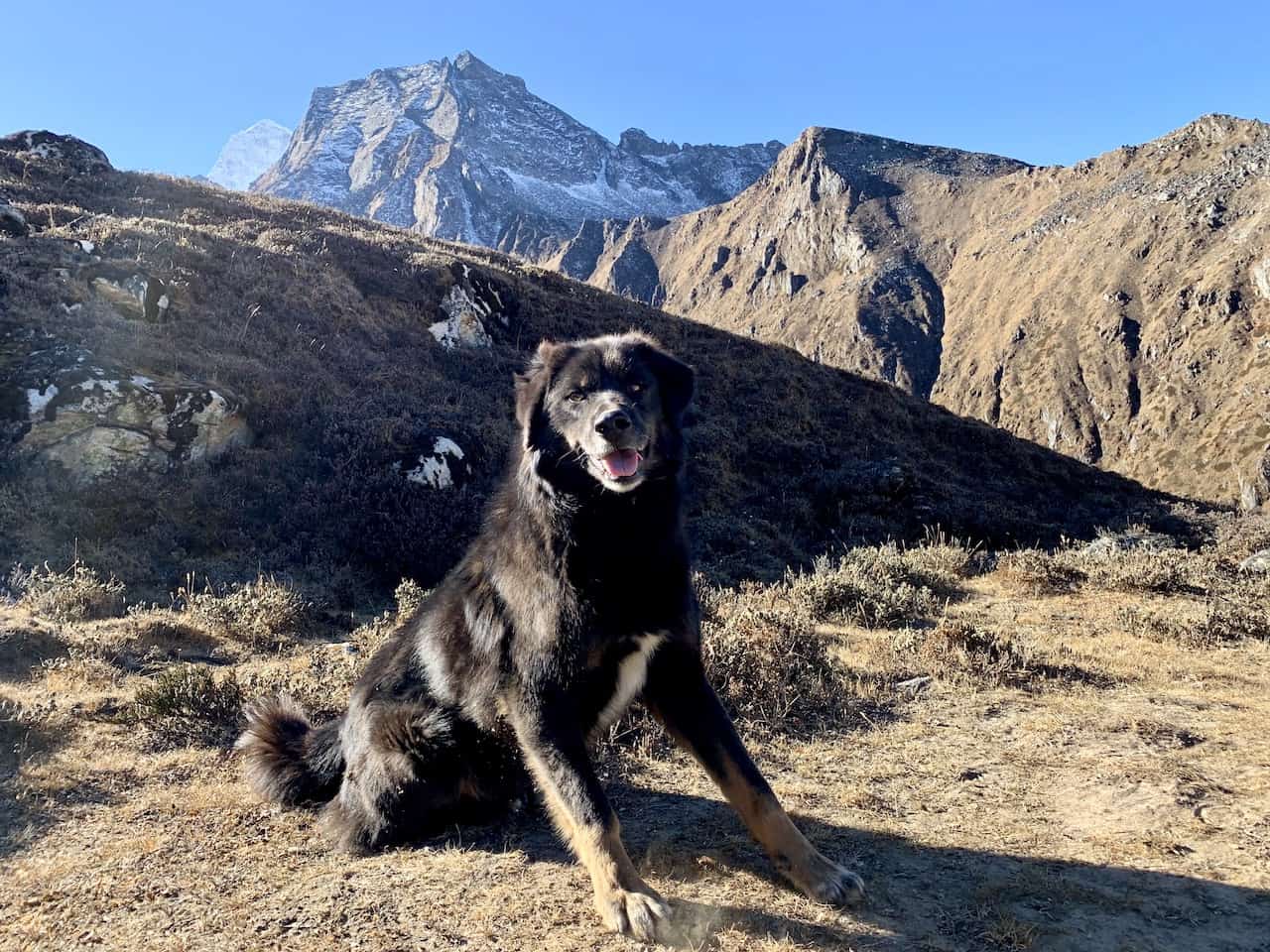
There’s something special about watching your dog’s ears perk up when they realize you’re headed somewhere new. That tail starts wagging at maximum speed, and suddenly, your furry friend transforms into the most excited hiking companion you could ask for. Taking your dog on hiking trails dog-friendly enough for four-legged explorers can turn an ordinary weekend into something memorable for both of you.
But here’s the thing-not all trails welcome dogs, and even those that do come with their own set of expectations. Knowing the rules and having the right preparation makes all the difference between a great day out and a stressful situation.
Why Choose Dog-Friendly Hiking Trails
Your dog needs more than just walks around the block. Dogs thrive on mental stimulation and physical exercise, and trails offer both in spades. The changing terrain, new smells, and varied surroundings keep their minds engaged while giving their bodies a proper workout.
Regular hiking can help manage your dog’s weight, improve their cardiovascular health, and reduce behavioral issues that often stem from boredom or excess energy. Choosing dog-friendly hiking trails specifically designed for dogs means you’re setting everyone up for success. These trails typically have amenities like waste stations, water access points, and clear guidelines that help pet owners be responsible trail users.
Essential Rules for Hiking with Your Dog
Know the Leash Laws
Most dog-friendly hiking trail locations require leashes, and there’s a good reason for this. Even the best-trained dogs can react unpredictably to wildlife, other hikers, or unfamiliar dogs. Leash requirements protect your dog from getting lost, injured, or getting into confrontations with wildlife.
Some trails specify leash length-usually six feet maximum. Retractable leashes might seem convenient, but they’re often problematic on narrow trails where quick control is necessary.
Practice Trail Etiquette
Trail etiquette keeps everyone safe and happy. Here’s what you need to do:
- Step aside with your dog when encountering other hikers, cyclists, or horseback riders
- Keep your dog close when passing others on the trail
- Give verbal warnings like “coming up on your left” to alert people ahead
- Never let your dog approach strangers without permission
- Control your dog around other animals, even if yours is friendly
Remember that some people are afraid of dogs, and not everyone wants to interact with pets while they’re trying to enjoy nature.
Clean Up After Your Dog
This one’s non-negotiable. Always bring bags-and bring more than you think you’ll need. Dog waste contains bacteria and parasites that can contaminate water sources and make other hikers sick. Even on remote trails, pack out what your dog leaves behind.
Burying dog waste isn’t acceptable either. Unlike wild animal droppings, domestic dog waste doesn’t decompose in ways that benefit the ecosystem.
Preparing Your Dog for the Trail
Build Up Their Fitness Gradually
Don’t expect your couch-loving companion to handle a five-mile hike right away. Start with shorter, easier trails and gradually increase distance and difficulty. Watch for signs of fatigue like excessive panting, slowing down, or lying down frequently.
Consider your dog’s age, breed, and health status. Brachycephalic breeds struggle with heat and exertion. Senior dogs might have arthritis that makes long hikes uncomfortable. Young puppies shouldn’t do intense hiking until their joints fully develop-typically around 12-18 months, depending on breed size.
Pack the Right Supplies
Bring more water than you think you’ll need. Dogs dehydrate quickly, especially on warm days. A collapsible bowl makes it easy to offer water regularly. Don’t rely on streams or lakes-they might contain parasites or bacteria harmful to dogs.
Your essential dog hiking supplies include:
- Plenty of water and a portable bowl
- High-energy treats or snacks
- First aid supplies (bandages, tweezers for thorns, antihistamine for bee stings)
- A recent photo of your dog in case they get lost
- Poop bags (lots of them)
- Your dog’s ID tags and proof of vaccinations
Check Paw Protection Needs
Hot pavement or rocky terrain can damage your dog’s paw pads. If the ground feels too hot for your bare hand, it’s too hot for your dog’s paws. Dog booties protect against hot surfaces, sharp rocks, thorns, and ice.
After each hike, check your dog’s paws for cuts, thorns, or worn pads. Moisturizing balm helps keep paw pads supple and prevents cracking.
Finding the Right Dog-Friendly Hiking Trail
Not all trails welcome dogs, and restrictions exist for valid reasons. Some trails pass through wildlife habitats where dogs could disturb nesting birds or other sensitive species. Others prohibit dogs due to erosion concerns or conflicts with other trail users.
Check trail regulations before you go. Park websites, hiking apps, and ranger stations provide current information about dog policies. Look for trails with features that suit your dog’s abilities. Wide paths work better for dogs who like to explore side to side. Shaded routes help in hot weather. Trails with stream crossings provide cooling opportunities but require extra attention if your dog isn’t a strong swimmer.
Safety Considerations on the Trail
Wildlife Awareness
Dogs can attract or provoke wildlife encounters. Keep your dog close and under control at all times. If you spot wildlife, calmly walk in the opposite direction while maintaining control of your dog.
Never let your dog chase wildlife-they could get injured, lost, or cause harm to protected species. In areas with venomous snakes, stick to cleared trails and keep your dog from investigating holes, logs, or rocky areas where snakes might hide.
Weather and Temperature
Dogs overheat faster than humans because they can’t sweat effectively. On hot days, hike during cooler morning or evening hours. Take frequent breaks in shade and offer water regularly.
Watch for these overheating warning signs:
- Excessive drooling
- Bright red gums
- Lethargy or weakness
- Difficulty breathing
- Vomiting or diarrhea
If your dog seems overheated, cool them down immediately with water and seek veterinary care if symptoms don’t improve quickly.
Cold weather requires different precautions. Short-haired breeds might need dog jackets. Ice balls can form between toe pads, causing discomfort. Wipe your dog’s paws after hiking on salted trails to prevent them from ingesting harmful chemicals when they lick their feet.
Know When to Turn Back
Sometimes the responsible choice is ending your hike early. If your dog shows signs of distress, injury, or exhaustion, head back. Your dog can’t tell you they need to stop, so you must watch their body language and behavior closely.
Signs your dog needs to stop hiking:
- Limping or favoring a paw
- Refusing to continue walking
- Excessive whining or vocalizing
- Sitting or lying down repeatedly
- Disorientation or stumbling
A sore or tired dog’s well-being matters more than completing any trail distance.
Making the Most of Your Hiking Experience
Taking your dog on hiking trails dog-friendly to all breeds creates opportunities for connection and exercise that benefit both of you. Start with easier routes, follow the rules, and always prioritize safety over completing a specific distance.
The goal isn’t conquering the toughest trail-it’s spending quality time with your four-legged friend while respecting nature and other people who share these spaces. With proper preparation and awareness of trail rules, you and your dog can safely enjoy countless hours exploring trails together. Each trip teaches you more about your dog’s capabilities and preferences, helping you choose even better trails for future outings.