Matching Your Route to Vehicle Type
Your destination list should pick your vehicle, not your budget. Planning to stick with Reykjavik, the Golden Circle, and southern coast spots? A compact or midsize car works perfectly. These routes stay paved year-round. You save considerable money on both rental fees and gas.
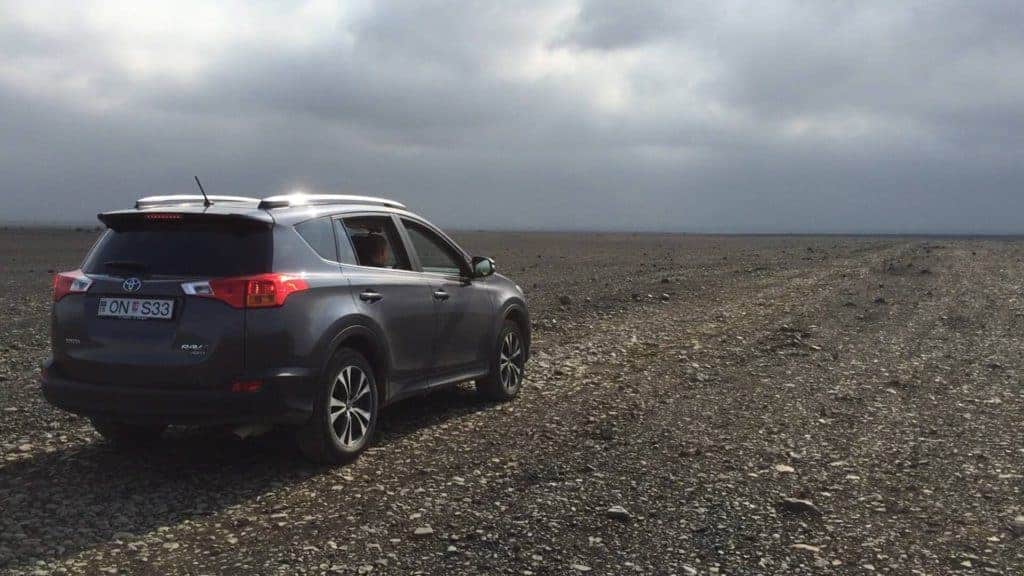
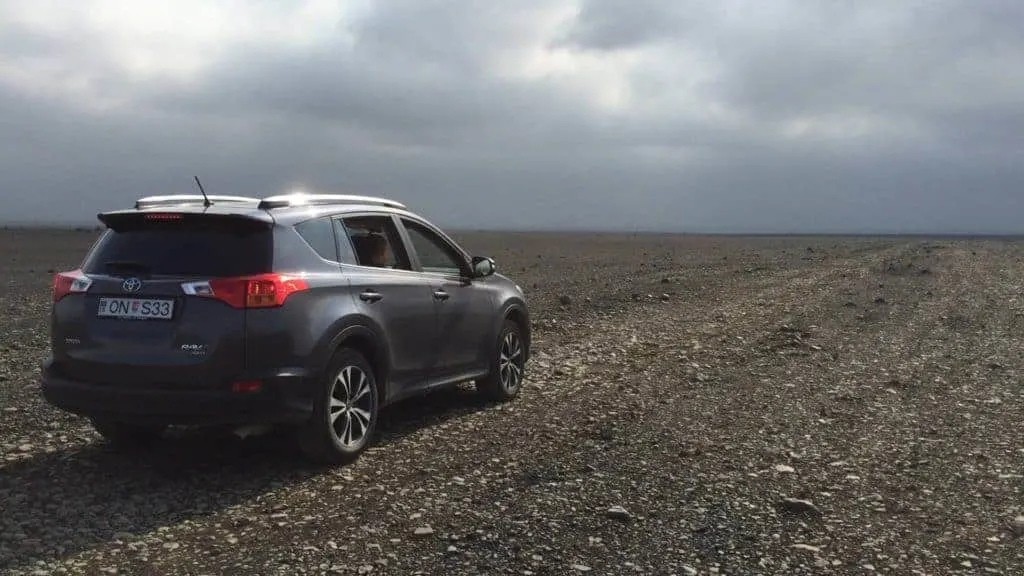
Highland destinations flip the script completely. Places like Landmannalaugar’s geothermal pools or Þórsmörk valley require F-road access. Standard cars offer maybe 6 inches of ground clearance. Highland vehicles provide 9 inches or more. That 3-inch gap determines whether you cross rivers safely or get stuck. A car rental company in Iceland keeps highland-ready vehicles for exactly these interior routes.
Electric cars now handle Ring Road trips without drama. Charging stations appear regularly along Route 1. Range anxiety has dropped way down compared to five years back. But venture into the Westfjords or highlands and charging options vanish. Cold weather also slashes battery life by 20 to 30 percent. Factor that in.
Camper vans solve the accommodation puzzle while providing transport. Iceland allows overnight parking at designated camping sites nationwide. These rigs include basic cooking gear and beds. They manage paved roads fine, but feel cramped on tight mountain switchbacks. You trade driving ease for lodging flexibility.
Iceland’s Road Network Breaks Into Three Types
Route 1 forms the main artery circling Iceland. This paved highway connects every major town and stays maintained year-round. Secondary roads branch off to popular attractions. Think waterfalls, black sand beaches, and glacier viewpoints.
Then you have F-roads. These mountain routes play by different rules entirely. The government restricts F-roads to four-wheel-drive vehicles only. No exceptions. These paths cross unbridged rivers, climb loose volcanic rock, and need serious ground clearance. Your rental agreement will ban standard cars from F-roads specifically. Break this rule, and you void your insurance. Fines can hit over $1,000 easily.
Most summer visitors never leave Route 1 and secondary roads. A regular car handles these fine when the weather cooperates. Seljalandsfoss and Skógafoss waterfalls both sit right off paved sections. You can hit major stops without special vehicles.
Weather flips everything fast here, though. Morning sunshine turns to dense fog by lunch. Rain appears without warning. The Icelandic Road and Coastal Administration posts live updates constantly. Smart travelers check conditions before every drive.
Seasonal Shifts Change Everything
Summer delivers the smoothest experience from June through August. Roads stay clear, daylight stretches nearly 24 hours, and temperatures sit around 50 to 60 degrees. A basic car handles Ring Road circuits without issues. Most visitors come during the summer precisely because vehicle needs stay simple.
Winter rewrites the rulebook from November through March. Snow and ice coat even the main highways regularly. Icelandic law mandates studded tires in winter. Four-wheel drive stops being optional and becomes necessary for safe travel. Blizzards shut roads without advance notice, sometimes for days straight. Your vehicle choice directly impacts safety during these months.
Shoulder seasons mix both extremes unpredictably. April, May, September, and October throw wild curveballs. Temps swing 30 degrees within a single day. Morning frost melts by afternoon into slush and puddles. F-roads close completely during shoulder periods. All-wheel drive gives you traction when conditions flip hourly.
Wind batters Iceland all year but peaks in winter. Sustained gusts reach 50 miles per hour routinely. Rental companies actually restrict lightweight cars during severe wind alerts. Heavier SUVs and full-size sedans fight wind better than compacts. This catches visitors off guard more than any other factor.
Features Worth Your Attention
Gravel protection shows up as optional coverage in rental contracts. Skip it and regret it later. Volcanic gravel chips windshields and paint relentlessly on secondary roads. Without protection, you cover full damage costs yourself. Daily fees run $10 to $15, but do not accept thousand-dollar bills. Every Iceland veteran buys this coverage automatically.
GPS comes standard in most rentals nowadays. Cell service doesn’t, though. Download offline maps before leaving Reykjavik. Remote stretches go hours without any signal. Portable wifi hotspots work as a backup internet. These devices support several users and provide steady connections beyond city limits.
Fuel efficiency matters more than visitors expect. Gas stations close early outside major towns. Distances between pumps can stretch past 100 miles in remote zones. Diesel engines get better mileage than gas versions. The U.S. Department of Energy confirms that cold weather tanks electric vehicle range substantially. Iceland’s climate proves this year-round.
Here’s what actually improves your drive:
- Heated seats and steering wheels seem excessive until your first 6 AM departure
- All-wheel or four-wheel drive provides real traction when the roads ice over
- Rear-wheel-drive vehicles slide regardless of tire quality
- Automatic transmission cuts fatigue on long mountain passes significantly
Picking Your Ride
Where you sleep determines the minimum vehicle needs as much as where you visit. Staying in Reykjavik for day trips keeps requirements low. Booking remote guesthouses or highland huts forces a four-wheel-drive selection. Many interior lodges sit beyond F-roads by design. Your accommodations often dictate vehicle specs.
Budget math should count more than rental rates alone. Bigger vehicles guzzle more fuel and add insurance costs. Some companies charge extra for additional drivers. Calculate complete trip expenses, including estimated gas consumption. That cheaper compact sometimes costs more overall when it blocks half your planned stops.
Group size creates hard minimums. Four adults cram uncomfortably into compact cars for multi-hour hauls. Luggage space disappears fast with winter clothes and camera gear. Midsize SUVs fit four people plus bags without issues. Bigger groups need minivans or multiple vehicles, period.
Manual transmissions dominate European rentals. Some drivers struggle with stick shifts on steep grades and icy patches. Automatics cost slightly more but cut driver stress considerably. Iceland’s Ring Road includes plenty of mountain passes where transmission type affects your whole experience.
Weather forecasts guide smart planning more than rigid itineraries. Conditions shift rapidly here. A vehicle that worked yesterday might prove inadequate tomorrow. Check forecasts daily and stay flexible with routes. Roads close and reopen based on conditions, not schedules. Plan accordingly.