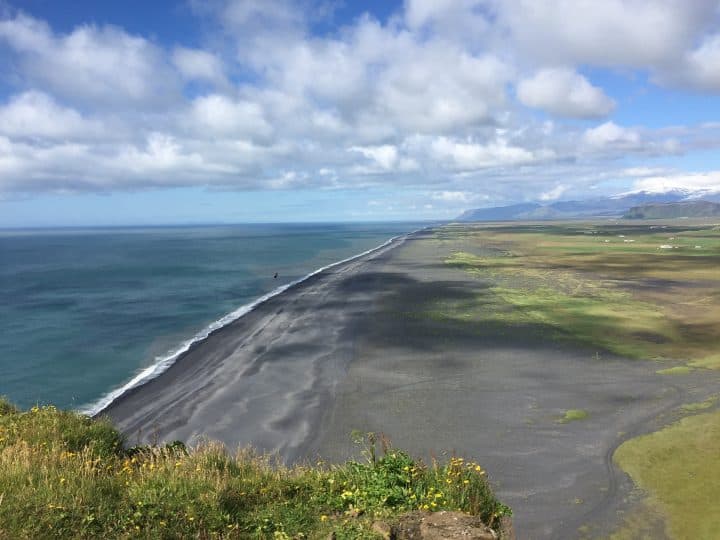
Iceland’s Ring Road stretches 828 miles around the entire island, weaving past glaciers, waterfalls, volcanic landscapes, and black sand beaches.
For travelers planning this epic journey, the choice between a camper and traditional hotels can make or break the experience. While hotels offer predictable comfort, a camper provides something far more valuable on Route 1: freedom, flexibility, and the ability to chase Iceland’s ever-changing weather and light.
The Ring Road demands a different approach than most road trips. Unlike well-populated routes with abundant lodging options at every turn, Iceland’s coastal loop passes through remote stretches where the next town might be an hour away. This geography alone shifts the advantage firmly toward campervans.
Freedom to Follow the Weather
Iceland’s weather shifts faster than almost anywhere on Earth. What starts as brilliant sunshine in the morning can turn to sideways rain by lunch, then clear again by dinner. This unpredictability makes rigid hotel bookings a gamble.
With campervan rental options designed for Icelandic conditions, travelers can adjust their route based on real-time forecasts. If the South Coast wakes up under clouds but the East Fjords show clear skies, you simply drive east. Hotel guests remain locked into pre-paid reservations regardless of conditions.
The Ring Road’s most dramatic sights require good weather to appreciate fully. Jökulsárlón glacier lagoon loses its magic under heavy fog. The basalt columns at Reynisfjara turn dangerous in high winds. A camper lets you wait out poor conditions or chase better weather windows without losing money on canceled bookings.
Spontaneous Stops at Iceland’s Hidden Gems
The best moments on the Ring Road often happen between planned destinations. A roadside waterfall catches your eye. A pullout reveals an unexpected vista. A local mentions a lesser-known hot spring just off the main route.
Hotel-based travelers face constant pressure to reach their next reservation by check-in time. Camper travelers stop whenever they want. According to comprehensive travel guides covering the full Ring Road circuit, the flexibility to explore without schedule constraints transforms a good trip into an exceptional one.
This spontaneity extends to mealtimes. Rather than searching for restaurants in small towns with limited options, camper travelers cook whenever hunger strikes. Pull over at a scenic viewpoint, fire up the portable stove, and enjoy lunch with a glacier view.
Cost Advantages Add Up Quickly
Iceland ranks among Europe’s most expensive destinations. A basic hotel room outside Reykjavik typically runs $150 to $250 per night during summer months. Add meals at restaurants averaging $30 to $50 per person, and costs spiral quickly.
Camper rentals in Iceland generally cost $100 to $180 per day depending on size and season, including your accommodation. Campsite fees run $15 to $25 per night per person. A week-long Ring Road trip in hotels might cost a couple $2,500 to $3,500 for lodging and meals alone. The same trip in a camper, shopping at grocery stores and cooking most meals, typically runs $1,400 to $2,000 total.
The savings multiply for families or groups of three or four. A larger camper accommodating four people costs only marginally more than a two-person model, while a family would need multiple hotel rooms.
Access to Remote Locations
Some of Iceland’s most spectacular campsites sit in locations no hotel could occupy. Fall asleep to the sound of waves at a coastal campground. Wake up with mountains filling your windows. Camp near Lake Mývatn surrounded by volcanic craters and steaming vents.
These campsites also solve one of the Ring Road’s biggest logistical challenges. According to travel safety information from official sources, Iceland’s population density outside Reykjavik remains extremely low. Towns along the eastern fjords might offer only two or three small guesthouses that book solid months ahead during summer.
The campsite network provides reliable overnight options even in the most remote sections of Route 1. Over 170 registered campsites operate around Iceland, with multiple options in every region.
Real Comfort in Icelandic Conditions
Modern campervans designed for Iceland come equipped with diesel heaters, insulation, and proper bedding. These aren’t bare-bones vehicles. They’re mobile hotel rooms built specifically for Nordic conditions.
Most include a small kitchen setup with a stove, refrigerator, and storage. Many have USB charging ports and auxiliary batteries to keep devices powered. The newest models offer surprisingly comfortable sleeping arrangements with real mattresses rather than thin pads.
Campsite facilities throughout Iceland maintain high standards. Nearly all offer hot showers, indoor cooking areas, and electrical hookups. Many include WiFi and laundry facilities. The amenities match what budget hotels provide, often in equally clean conditions.
The Midnight Sun and Northern Lights
Iceland’s extreme daylight variations create unique opportunities for camper travelers. During summer, the midnight sun keeps the sky bright until nearly midnight, allowing late-night exploration without headlights. Campers can drive at 10 PM when traffic thins and pull over anywhere scenic without worrying about hotel check-in times.
In shoulder seasons like September or April, campers offer front-row seats for the Northern Lights. Rather than hoping the aurora appears during the brief window between hotel check-in and bedtime, camper travelers can stay up late, drive to darker locations, and change spots if clouds roll in. When the lights appear, you’re already in position with your accommodation wrapped around you.
Practical Considerations for Success
Successful camper trips on the Ring Road require some planning. Book your camper weeks or months ahead for summer travel, as the best units rent out quickly. Most travelers complete the full Ring Road in 7 to 10 days, though tourism statistics show visitors increasingly taking longer trips to reduce daily driving.
Stock up on groceries in Reykjavik before starting the loop. While every town along Route 1 has at least one grocery store, prices increase with distance from the capital. Carry basics like pasta, rice, canned goods, and breakfast items.
Download offline maps before leaving cellular coverage. While Route 1 itself is well-marked, side trips to specific waterfalls or viewpoints often require navigation on smaller roads where phone signals disappear.
When Hotels Make More Sense
Campervans aren’t ideal for every traveler or every season. Winter driving on the Ring Road requires serious preparation, studded tires, and experience with snow and ice. Most campsites close between October and April, limiting overnight options. Travelers visiting November through March often fare better with hotels and a rental car.
Solo travelers might find hotels more cost-effective since camper pricing doesn’t drop much for single occupancy. Those with mobility issues may struggle with the compact spaces and campsite facilities.
Very short trips of three days or less sometimes work better with hotels. The time spent picking up the camper, learning its systems, and returning it eats into limited vacation days.
Making the Choice
For most Ring Road travelers, particularly couples or small groups visiting May through September, campervans deliver superior value and experience. The combination of cost savings, flexibility, and access to spectacular locations outweighs the modest trade-offs in space and amenities.
The Ring Road showcases Iceland’s greatest natural wonders spread across an entire island. A camper matches the landscape’s scale and unpredictability, turning the journey itself into the destination rather than just the route between hotels.