
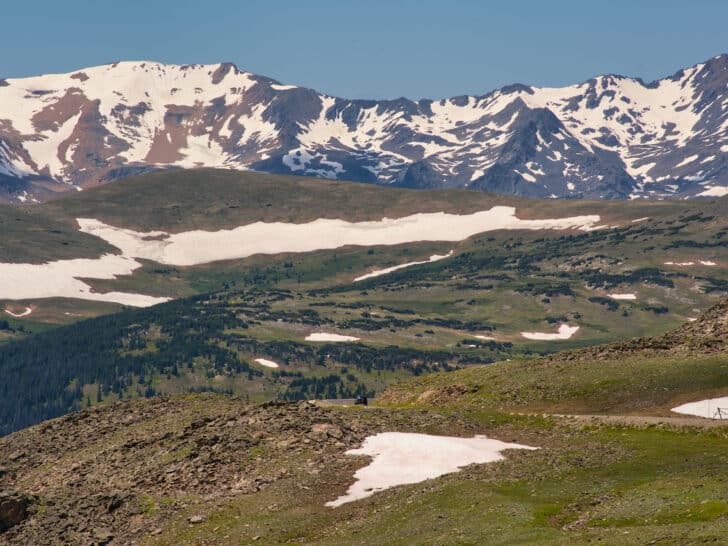
The United States of America is home to some of the world’s most iconic road trips. Your options are almost endless, with routes like the Beartooth Highway, Blue Ridge Parkway, Going-to-the-Sun Road, the Grand Circle, Great River Road, Overseas Highway, Pacific Coast Highway, and Route 66.
But the question is how to navigate these adventures safely, whether you’re a US citizen or an international traveler.
This guide will tell you how to make every mile count and enjoy the safest possible road trip, wherever your wheels take you!
Follow the Rules of the Road
Obeying driving rules and regulations is the best way to prevent accidents, protect your own life and that of your passengers, and create a predictable environment on the road:
- Check state laws on mobile phone use, seat belts, child restraints, and alcohol limits before you cross state lines. If you’re driving on unfamiliar roads, it’s always best to limit distractions as much as possible.
- Check the speed limit signs in each state. Limits and enforcement rules vary, with Texas permitting speeds of up to 85 mph on certain highways and Hawaii having a much lower maximum limit at 60 mph.
- If you’re planning to explore a city like the Big Apple, remember that right turns on red are generally prohibited throughout NYC unless a sign specifically permits them.
- Watch for HOV lanes (High-Occupancy Vehicle lanes, or “carpool” lanes). These lanes restrict access to vehicles carrying a minimum number of occupants during specified hours.
- Know when you need to stop or yield to traffic in the other direction. In Georgia, you must stop in both directions unless a physical median separates the roadways. In Ohio, you must stop only if you’re traveling in the same direction as the bus on a road with four or more lanes.
- Most US states require drivers to carry a minimum level of liability insurance, although specific requirements vary. Before setting off, consider getting an auto insurance quote to compare coverage options and make sure you have suitable protection. If you’re renting a car, check what insurance is included and whether you need additional cover.
And, most importantly, international travelers should remember that Americans drive on the right-hand side of the road.
Safe Driving Tips for Different Routes
No two road trips are alike, and the same goes for the roads you’ll encounter. The conditions can differ greatly even in one state, and you need to know how to stay safe:
Dense Forests and Fall Foliage Corridors
Fall drives through bucolic areas like Maryland and Vermont are renowned for their colorful foliage, but fallen leaves can make roads slippery, particularly after rain. For safer driving, reduce your speed before bends, avoid sudden braking or steering, and leave plenty of room between your car and the vehicle ahead.
Great River Valleys and Agricultural Heartlands
During planting and harvest seasons, country roads in Iowa, Nebraska, Illinois, and Kansas often carry heavy farm equipment. Tractors and combines can move slowly, swing wide when turning, and leave little room for passing. Ease off the gas, stay well back, and wait until you have a clear view before overtaking.
Pacific and Atlantic Coastal Highways
Salty spray, sea fog, and powerful gusts can affect coastal roads in areas like Oregon and North Carolina’s Outer Banks. Watch for sudden changes in visibility, adjust your speed to suit conditions, and pull off the road at a designated stop if you can no longer see far enough ahead.
Red-Rock Deserts and Canyons
If you set off on a Californian road trip or one that takes you through dry states like Arizona, be aware of your mobile phone coverage. Some remote, rural, and desert areas may have dead spots with no reception. Download maps to use offline before you leave, or carry a paper map as a backup.
It’s also a good idea to let someone know your route and roughly when you should arrive at the next stop. This way, if your vehicle breaks down, you get lost, or you run into another problem in an area without mobile reception, someone will know where you were heading and when to expect you.
Rugged Mountain Ranges and Alpine Passes
When your trip includes steep gradients like Colorado’s Rocky Mountains, your engine could overheat, particularly if it’s hot outside. Watch the temperature gauge on long climbs, and turn off the AC and switch the heater to its highest setting if it gets too high. Pull over somewhere safe if the temperature continues to climb.
Tropical Keys and Island Roads
Driving through the Florida Keys means following US 1 along the Overseas Highway, where bridges connect a long chain of islands. Let’s say you’re starting your journey in Miami Beach. Because there are few alternative routes once you leave the mainland, you’ll need to check your fuel levels and allow extra time for travel before you begin.
Urban Routes and City Streets at Dusk
Driving into major cities around sunset can be challenging, particularly when rush-hour traffic coincides with fading daylight. In cities like New York, Los Angeles, and San Francisco, watch for pedestrians, cyclists, and changing traffic signals as visibility decreases. If you have the time or don’t want to be on the road at this time, find a safe place to watch the sunset and wait out the rush.
Stay Alert and Drive Defensively
As you travel across the United States, stay aware of your surroundings and give yourself time to react to the unexpected. Watch for changing traffic, pedestrians, and wildlife near the road. When stopping along the way, choose well-lit, populated areas, and keep valuables out of sight.
I hope you’ve enjoyed these tips and found them useful. If you need a little inspiration for planning your American road trip, be sure to browse the travel guides on our site.