
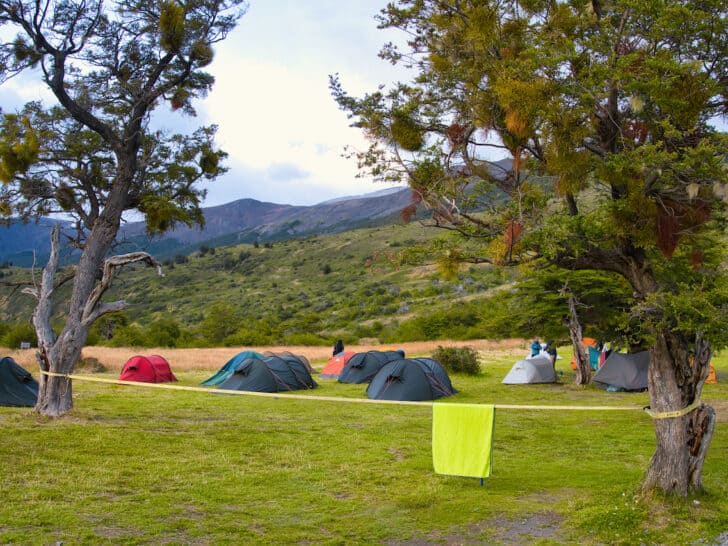
If you’re looking for the best value adventure, camping might be your best bet. Honestly, where else can you get these views for such a small cost? Of course, there’s more to it than just nice landscapes. Wildlife, cold nights, and physical exertion play a big role in filtering out people who’d be interested in trying. But have no fear, in this article, we’ll get you ready for your first night outside.
The good news is that a great first trip comes down to preparation, not experience. Get the planning and packing right, and the rest tends to take care of itself. Here’s everything you need to know before you go.
Start With the Right Kind of Trip
At the start, you should choose your first route very carefully. If you’re a beginner, pick a beginner-friendly hike and a campground with all the conveniences you might need. It’s better to look for a spot where you can park close and feel safer, as opposed to fearing for your life the first time you try to camp.
If you find a good one, you’ll have running water, picnic tables and a clean restroom. Some places have gated territory with security to make you feel even safer. The best choice is, of course, to enlist an experienced camper to show you the ropes and the best spots near where you live.
Pay attention to the weather too. Summer might look like the best camping time on paper, but extremely sunny days on top of a mountain can turn into a hellish nightmare fast. Depending on your location, early to mid-fall is the best time for gorgeous scenery with perfect weather.
Budgeting Your Trip
Camping is cheap, but it isn’t free, so plan your spending before you go. Your main costs will be the campsite fee (often $15–$40 per night, split between everyone), fuel or transit, food, and any gear you don’t already own. Splitting shared items across the group brings the per-person cost down fast.
The real money-saver is avoiding a big gear purchase for a single weekend. Many universities have an outdoor recreation department that rents tents, sleeping bags, and stoves to students for a few dollars a day, and some even run subsidized group trips with equipment and transport included.
Borrowing from friends or family is even cheaper, and secondhand marketplaces are full of lightly used equipment if you decide you love it. Spend a little on the things that affect sleep and safety. A warm sleeping bag and a decent sleeping pad are worth it, and cut corners everywhere else.
Food is another place to save: shopping and cooking as a group is far cheaper than everyone buying their own, and simple ingredients like pasta, eggs, and vegetables stretch a long way. Set a rough budget before you leave, and it’s easy to keep the whole weekend under the cost of a single night out.
The Gear You Actually Need
Beginners almost always overpack, hauling gear they never touch. Focus on the essentials and leave the rest at home. Here’s a core checklist to work from:
- Shelter: tent, ground tarp or footprint, stakes, and a mallet
- Sleep system: sleeping bag rated for the expected temperature, sleeping pad, and a small pillow or stuff sack
- Cooking: a camp stove and fuel, a pot, a lighter or matches, a knife, and reusable utensils and cups
- Lighting: a headlamp per person plus spare batteries for the night
- Food storage: a cooler with ice, plus sealable bags or containers to keep food away from wildlife
- Clothing: layers you can add or remove, a warm hat, a rain jacket, and sturdy closed-toe shoes
- Personal items: toiletries, sunscreen, insect repellent, any medications, and a small first-aid kit
Lay everything out at home before you pack. If you can’t picture using an item, it probably stays behind.

Food and Water Made Simple
You don’t need to be a chef to eat well outdoors. Plan simple meals that need minimal cooking and cleanup: overnight oats or fruit for breakfast, sandwiches and trail mix for lunch, and a one-pot pasta or foil-wrapped veggies for dinner. Pre-chop and portion ingredients at home so you’re not fumbling with a cutting board in the dark. And yes, bring marshmallows, chocolate, and graham crackers, because s’mores are practically a first-camping-trip requirement.
Water deserves special attention. If your campground has potable water, confirm it before you go. If not, bring more than you think you’ll need. Roughly two to four liters per person per day for drinking, cooking, and cleanup. A few large refillable jugs are cheaper and easier to manage than a pile of small bottles. Store food in your cooler or car overnight rather than in your tent, both to keep it fresh and to avoid attracting curious animals, and bring a trash bag so cleanup is quick when you pack up.
Setting Up Camp Like You’ve Done It Before
Arrive with plenty of daylight left. Setting up a tent for the first time in the dark is a rite of passage nobody enjoys, so give yourself a buffer. Better yet, do a practice run in your backyard or living room a few days early. You’ll learn how the poles work and confirm no pieces are missing while it still matters.
At the site, pick a flat, dry spot that isn’t in a dip where rainwater collects, and avoid pitching directly under dead branches. Lay your ground tarp first, pitch the tent, then organize your gear so the things you’ll reach for at night, headlamp, water and a warm layer, are easy to find. If you’re building a campfire, check for any fire bans first, keep it small and contained in the provided ring, and never leave it unattended.
Before you turn in, take five minutes to write down how the day actually went. Keep it practical rather than poetic: what time you arrived, how long setup took, what the weather did, and which piece of gear you wished you’d packed. Jot down what you ate and roughly what you used, because food is the easiest thing to over- or under-pack, and one honest tally does more for your next trip list than any generic packing guide. You can then use an APA format paper writing service to put it all together. Next season, when you’re staring at an empty duffel trying to remember your trip, these few lines will tell you exactly what to do.
Staying Safe and Respecting the Outdoors
A few simple habits keep your trip safe and keep the campground pleasant for everyone. Before you leave, tell someone not on the trip where you’re going and when you expect to be back. Keep these basics in mind once you’re there:
- Store food securely and never feed or approach wildlife
- Pack a first-aid kit and know how to handle blisters, bites, and minor burns
- Observe quiet hours and keep noise down after dark
- Leave no trace after you and leave your site cleaner than you found it
None of this is complicated, but building the habits early makes you a confident, considerate camper from day one.
Your First Night Under the Stars
That first trip always feels like a bigger deal beforehand than it turns out to be. Once the tent is up, dinner is cooking, and the stars come out, you’ll wonder why you were nervous at all. Prepare well, pack light, respect the outdoors, and you’ll come home already planning the next one. Grab a friend, borrow a tent, and go!