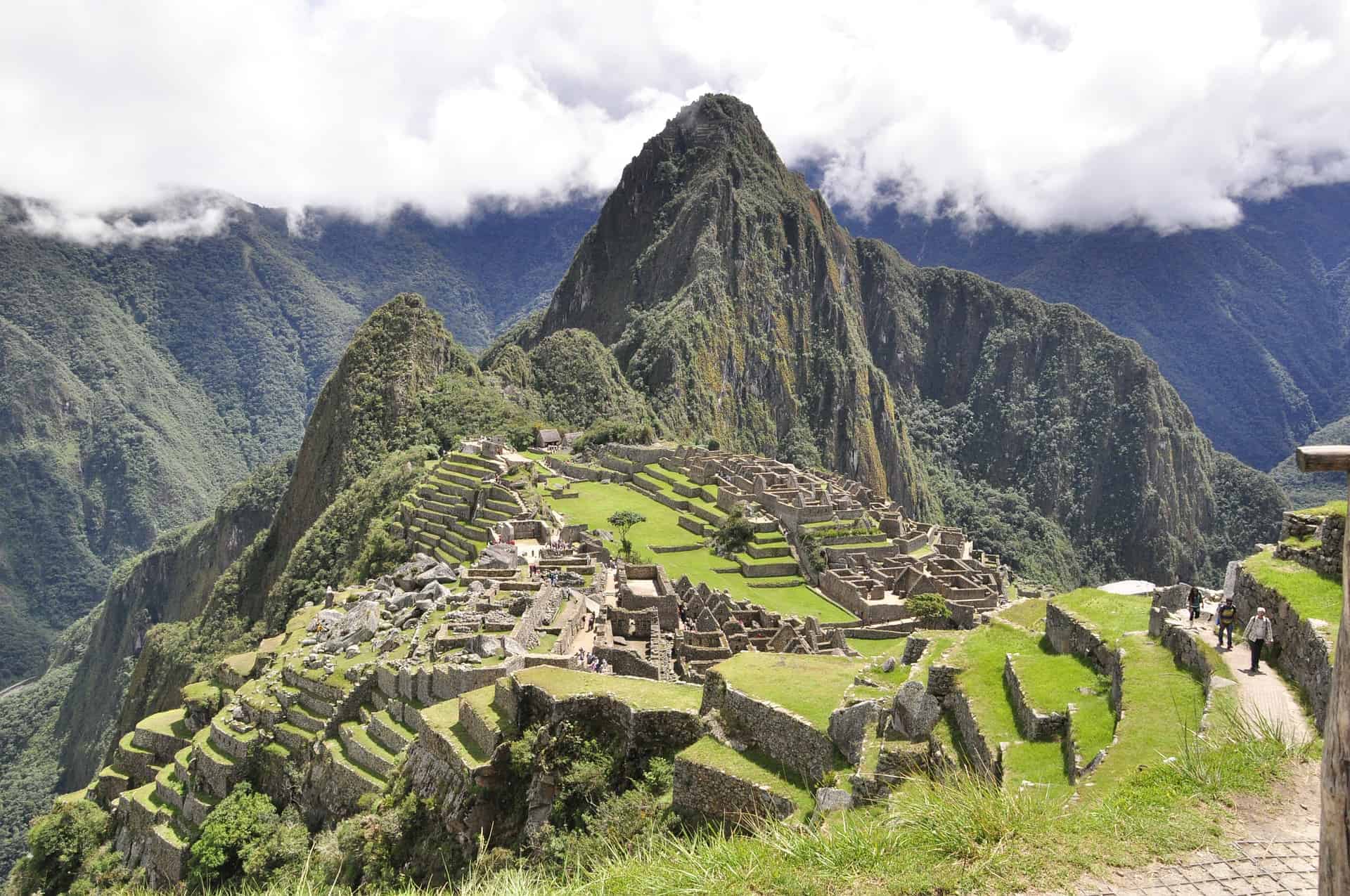
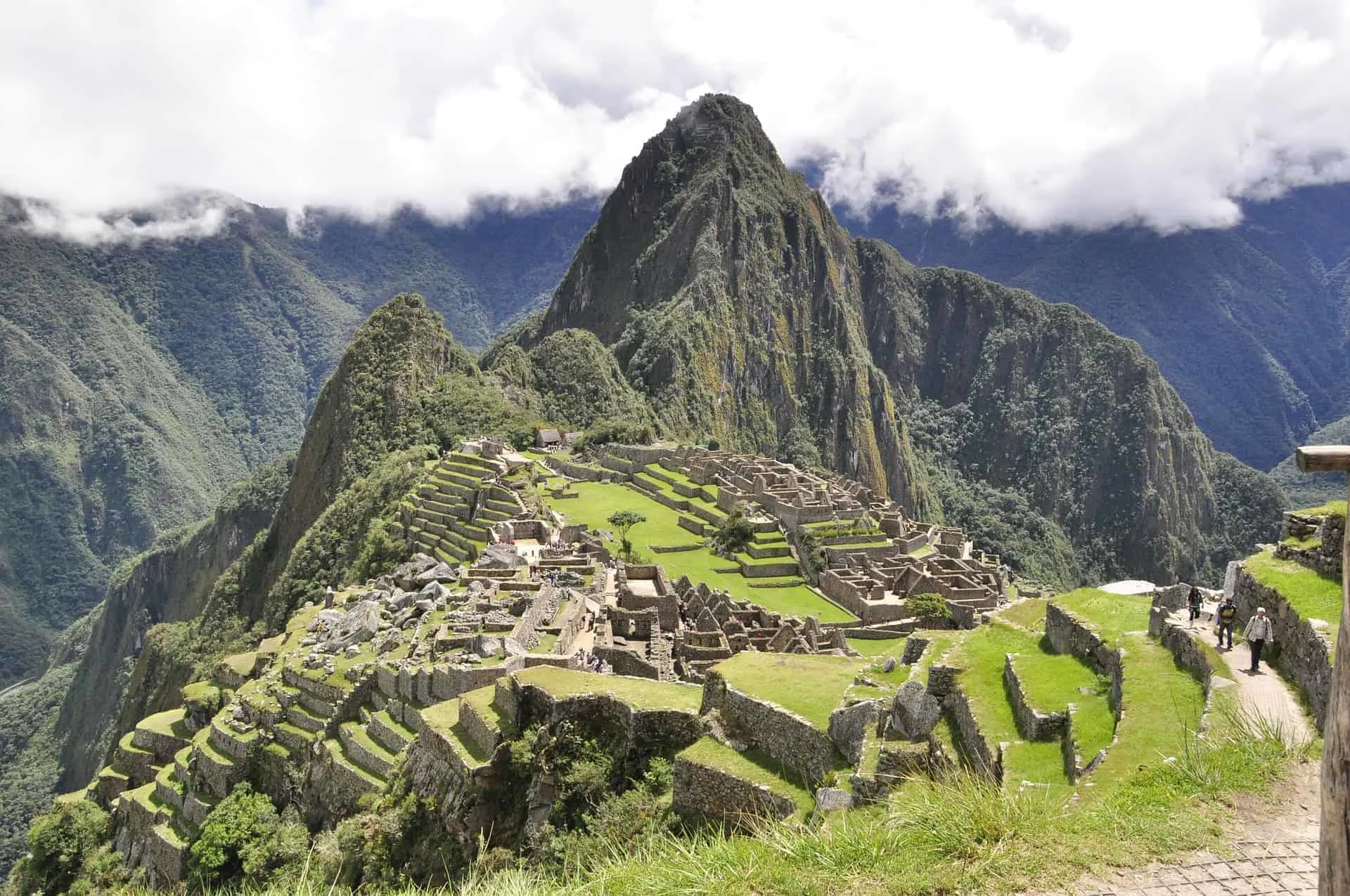
Machu Picchu receives close to 1.5 million visitors each year. The 15th-century Inca citadel sits at roughly 2,430 metres above sea level in the Peruvian Andes and remains one of the most studied archaeological sites in the world. For first-time visitors, the planning process is more involved than many expect. Entry is ticketed, timed, and capped. Trains sell out weeks ahead. Altitude affects most people to some degree.
This guide covers what a first-timer needs to know: how entry and permits work, how to get there, what to wear and carry, and how to prepare for the altitude before arriving.
What the Entry System Looks Like in 2026
Machu Picchu operates a timed entry system with a fixed daily visitor cap. Numbers are limited to between 4,500 and 5,600 people per day, depending on the season, and each ticket is tied to a specific entry window. Once a visitor exits the site, re-entry is not permitted, so the time on the site needs to be planned before arrival.
Where to Buy Tickets
All tickets are purchased through the official Peruvian government platform at tuboleto.cultura.pe. There is no authorised third-party seller. During peak season, which runs from June through August, available slots fill weeks or months ahead of the date. Anyone planning a visit during this window should book as soon as the dates are confirmed.
The Inca Trail Permit Change for 2026
A separate change took effect for 2026: the Inca Trail permit no longer includes automatic entry to the citadel. Trekkers must now book both the trail permit and a citadel ticket for the same date and the same circuit. These are two separate transactions through the same platform, and missing either one means being turned away at the checkpoint.
Choosing Your Circuit
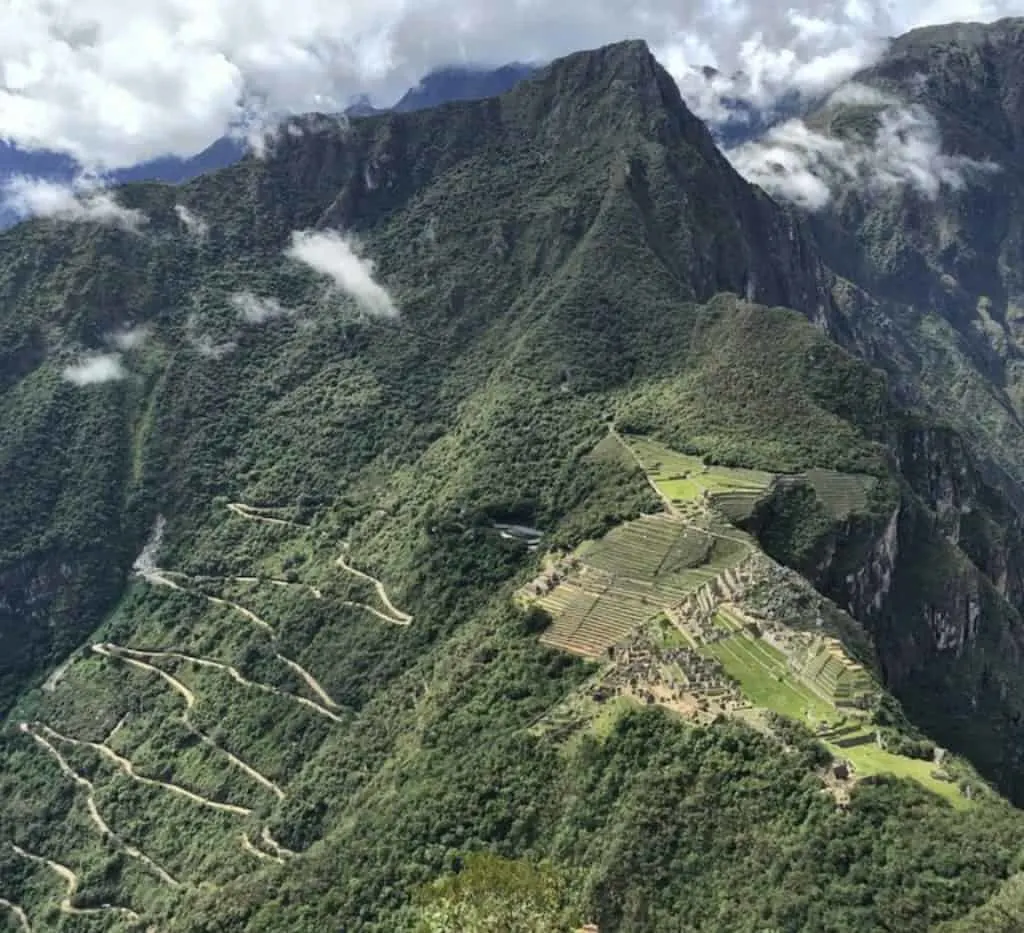
The site is divided into five numbered circuits, each with one-way routes. Circuits 1 and 2 cover the main terraces and the central archaeological complex, including the viewpoints most associated with photographs of the site. Circuits 3 and 4 provide access to Huayna Picchu Mountain and Machu Picchu Mountain, respectively.
Tickets for both mountains are sold as separate add-ons, with a daily cap of 400 for Huayna Picchu and 800 for Machu Picchu Mountain. These fill quickly in peak months and should be booked alongside the main ticket. A licensed guide is required for entry and is confirmed at the checkpoint before the main gate.

How to Get to Machu Picchu
The route to the citadel involves several stages, and each one needs to be arranged in advance. A flight into Cusco is the standard starting point for most Machu Picchu travel itineraries.
The Standard Route via Ollantaytambo
From Cusco, most travellers transfer by road to Ollantaytambo, a town in the Sacred Valley approximately 1.5 hours away. Trains operated by PeruRail or Inca Rail then run from Ollantaytambo to Aguas Calientes, the town directly below the citadel. A bus from Aguas Calientes takes visitors up the switchback road to the site entrance. Train seats sell out quickly, particularly during high season, so booking rail tickets at the same time as the citadel entry ticket is advisable.
Using a Tour Operator
For first-time visitors researching Machu Picchu tours, some travellers choose to work with a specialist operator who handles train bookings, permits, and entry tickets as part of a single planned itinerary. Travellers looking for guided Machu Picchu experiences can benefit from logistics coordination, English-speaking trip designers, and 24/7 in-country support throughout the trip. This approach suits travellers who want the permit and booking process managed rather than handled independently.
Alternative Access
An alternative access point exists via the Hydroelectric Station route, which is primarily used within certain trekking itineraries. Most independent first-timers do not use this route, given the additional overland travel involved.
Altitude Preparation Before You Arrive
Altitude is the most common issue for first-time visitors to this part of Peru, and it is worth addressing well before departure rather than on arrival. Cusco sits at approximately 3,400 metres above sea level, while Machu Picchu itself sits lower, at around 2,430 metres.
How to Acclimatise in Cusco
Spending at least two nights in Cusco before visiting the citadel gives the body time to adjust to the elevation. Symptoms of altitude sickness include headache, fatigue, nausea, and shortness of breath. Reducing physical exertion on the first day, drinking water consistently, and avoiding alcohol in the first 24 to 48 hours all support the adjustment process.
Some travellers consult a doctor before departure about acetazolamide, a prescription medication sometimes used to reduce altitude sickness symptoms. Decisions about medication should be made with a GP rather than on the ground.
The Sacred Valley as a Lower-Altitude Starting Point
The Sacred Valley sits at around 2,800 metres, which is lower than Cusco. Spending the first night there before moving up to Cusco is an option for travellers who are particularly concerned about altitude. Many Machu Picchu Peru travel itineraries are structured this way, using the Valley as a gentler introduction to the elevation before heading higher.
What to Wear and What to Bring
Packing correctly for Machu Picchu avoids problems both at the entrance and on the site itself. Bag restrictions apply inside the citadel, and the weather can shift quickly regardless of the season.
Bag Restrictions and Prohibited Items
Bags larger than 20 litres are not permitted inside the citadel. Food, tripods, and selfie sticks are also prohibited. Checking the current restrictions before packing prevents delays at the gate.
Clothing and Footwear
The weather at the site changes quickly. Even during the dry season, temperatures drop early in the morning, and cloud cover can move in without much notice. Layers are more practical than a single heavy item, and a waterproof outer layer is worth carrying regardless of the forecast. Comfortable footwear with grip is necessary. The stone paths are uneven, and some sections involve steps. Sandals and flat-soled shoes without grip create a risk on wet surfaces.
What Else to Pack
Sunscreen, insect repellent, and a refillable water bottle are practical additions. Drinking water is not available inside the citadel, so arriving with a full bottle is advisable.
Plan Your Visit Around the Season
Timing affects both availability and conditions on the ground, and it is one of the first decisions to make when planning a Machu Picchu tour.
Dry Season: May to October
The dry season brings more stable conditions and is the most popular period for visiting. June through August sees the highest visitor numbers, and entry tickets can sell out months in advance. Travellers who want clear skies and predictable weather should plan to book well ahead.
Wet Season: November to April
Rain is common during the wet season, but visitor numbers fall, and both train and ticket availability improve. February is one of the quietest months. Tickets are available with less lead time, and the site feels noticeably less crowded, though it remains fully operational throughout.
Plan Your Trip With Confidence
Visiting Machu Picchu for the first time requires more advance planning than most heritage sites. Tickets, trains, guides, and mountain add-ons all need to be booked separately and early, particularly for travel between June and August.
Spending time at altitude before the visit, packing within the bag restrictions, and confirming the circuit before purchase are the steps that prevent the most common problems on the day. Getting these details in place before departure means the visit itself can be spent on the site rather than working around avoidable complications.