
Bangkok rewards travelers who plan a little before they arrive. The city moves fast, spreads wide, and packs temples, markets, and rivers into one dense map. A clear plan turns that energy into a trip you actually enjoy.
Most first-timers try to see too much in too few days. A smarter approach groups sights by neighborhood and books a guide for the parts that reward local knowledge. A team like Your Thai Guide can lead the cultural and historical core while you keep evenings free. That balance is the heart of a good Bangkok itinerary.
This guide breaks the planning into clear steps. You will leave with a rough day count, a sense of costs, and a few ideas worth stealing.
How Many Days Do You Need?
Three full days cover the highlights without rushing. Add a fourth for a day trip, and a fifth if you want to slow down. Anything under 2 days feels like a layover, not a visit.
Use the days to theme your time instead of cramming. A simple split works well for most travelers:
- Day 1, the historic core of temples and the river.
- Day 2, markets, street food, and modern districts.
- Day 3, a half-day tour plus free time to wander.
- Day 4, an optional trip outside the city.
That rhythm leaves room to rest in the afternoon heat. It also gives you 2 evenings to follow your own curiosity. Travelers who plan a clear arc tend to remember the trip more fondly than those who chase a checklist.
Build in slack for delays and weather. A single afternoon shower can shift your plans by an hour. Leaving 1 flexible block each day keeps the schedule calm rather than tight.
Where to Start In the City
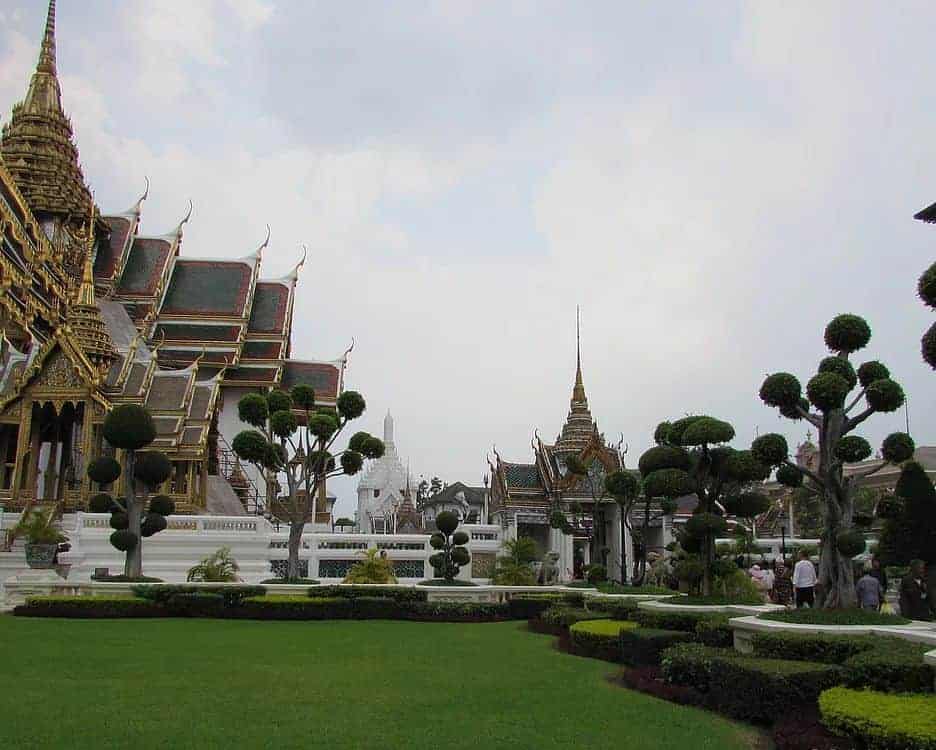
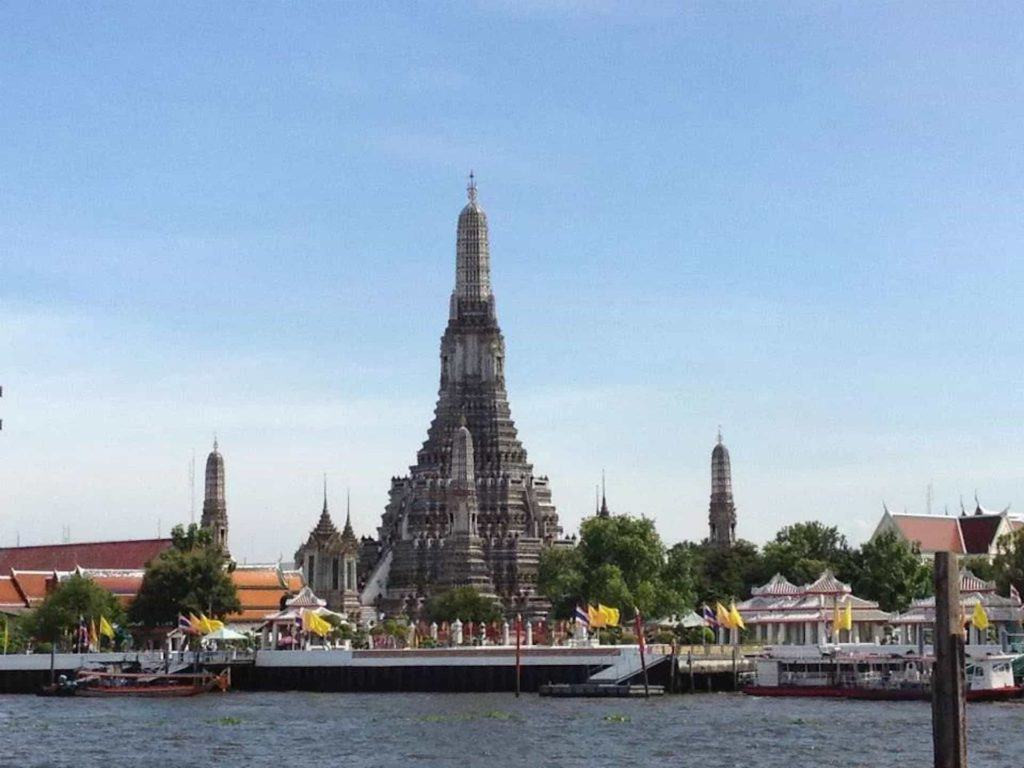
Begin in the old royal district along the Chao Phraya River. The Grand Palace, Wat Pho, and Wat Arun sit close together here. Strong river views from this stretch draw the same kind of traveler who hunts for the best river quotes to caption their photos.
This area rewards an early start. Gates open around 8 a.m., and the crowds build fast by mid-morning. A guide helps you read the history that the buildings alone do not explain.
Thailand also protects living traditions, not just monuments. The country lists several customs on the UNESCO record of intangible cultural heritage, from massage to traditional theater. Knowing that context makes a temple visit feel less like a photo stop.
How Do You Get Around Bangkok?
Traffic is the city’s biggest time thief. Plan around it and you reclaim hours each day. Three options cover almost every trip:
- The BTS Skytrain, fast and cheap for modern districts.
- River boats, scenic and direct for the old town.
- Metered taxis or apps, best for early mornings and luggage.
Avoid road travel between roughly 4 p.m. and 7 p.m. when possible. A 3 mile hop can take 45 minutes in that window. The Skytrain skips the jam entirely and costs only a few dollars per ride.
Keep small cash for boats and markets. Many stalls still prefer notes under 100 baht. A charged phone with offline maps saves you when signs appear only in Thai.
A local SIM or eSIM costs about 10 dollars for the week. That keeps maps and ride apps working across all 4 days. Reliable data is the cheapest stress reducer on the whole trip.
Smart Day Trips From Bangkok
One day outside the city adds real variety. Ayutthaya, the former capital, sits about 50 miles north and brims with temple ruins. Floating markets and national parks also make easy escapes.
Nature lovers can reach protected forests within a few hours. Thailand’s Department of National Parks manages reserves with waterfalls, trails, and wildlife. Travelers who chase scenic coastlines like Pebble Beach will find Thai parks offer the same payoff for a far smaller crowd.
Book a guided day trip if you want depth without driving. A private car with a guide turns a long, hot ride into a story-rich outing. It also removes the guesswork of timing and tickets.
Aim to leave the city by 7 a.m. for the longer routes. Early starts beat both the heat and the worst tour-bus crowds. Most day trips run 8 to 10 hours door to door.
What Should a Bangkok Trip Cost?
Bangkok stays affordable if you set a daily target. A comfortable mid-range day runs about 60 dollars per person. Backpackers manage on far less, and luxury travelers spend much more.
Rough daily costs help you set expectations:
- Accommodation, 20 to 80 dollars for a clean private room.
- Food, 10 to 25 dollars across street and sit-down meals.
- Transport, 5 to 15 dollars using trains and boats.
- Tours and tickets, 15 to 50 dollars on active days.
Set aside a small buffer for spontaneous plans. A late-night market or a spa hour rarely breaks the budget. Tracking spending for the first 2 days makes the rest of the trip easy to manage.
Frequently Asked Questions
What Is the Best Time to Visit Bangkok?
The cool, dry season from November to February suits most first trips. Days stay warm but humidity drops, which makes temple walks bearable. March to May turns very hot, often above 95 degrees. The rainy season brings short, heavy showers rather than all-day storms.
Do I Need to Cover Up at Temples?
Yes. Sacred sites ask visitors to cover shoulders and knees. Carry a light scarf or wear long pants and a sleeved top. The Grand Palace enforces this strictly and may turn away anyone dressed too casually.
Is Bangkok Safe for First-Time Travelers?
Bangkok is generally safe for tourists who use common sense. Petty scams target newcomers near major sights, so confirm prices before you ride or buy. Keep valuables close in crowded markets. Most visits pass without any trouble at all.
How Much Should I Budget Per Day?
Plan for about 60 dollars per person for a mid-range day. That figure covers a private room, local meals, transport, and one paid activity. You can trim it under 30 dollars with hostels and street food. Active days with tours push it higher.