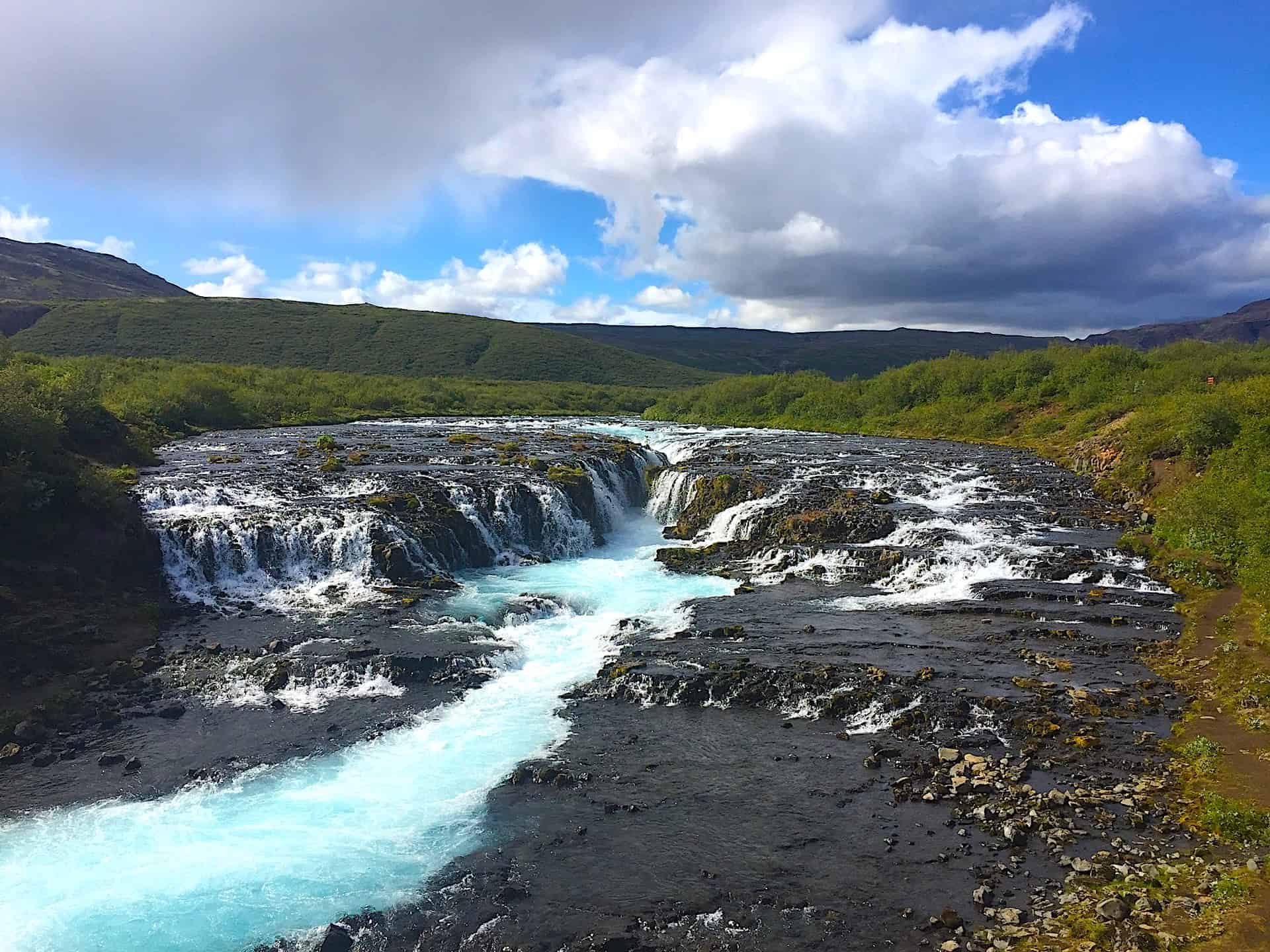
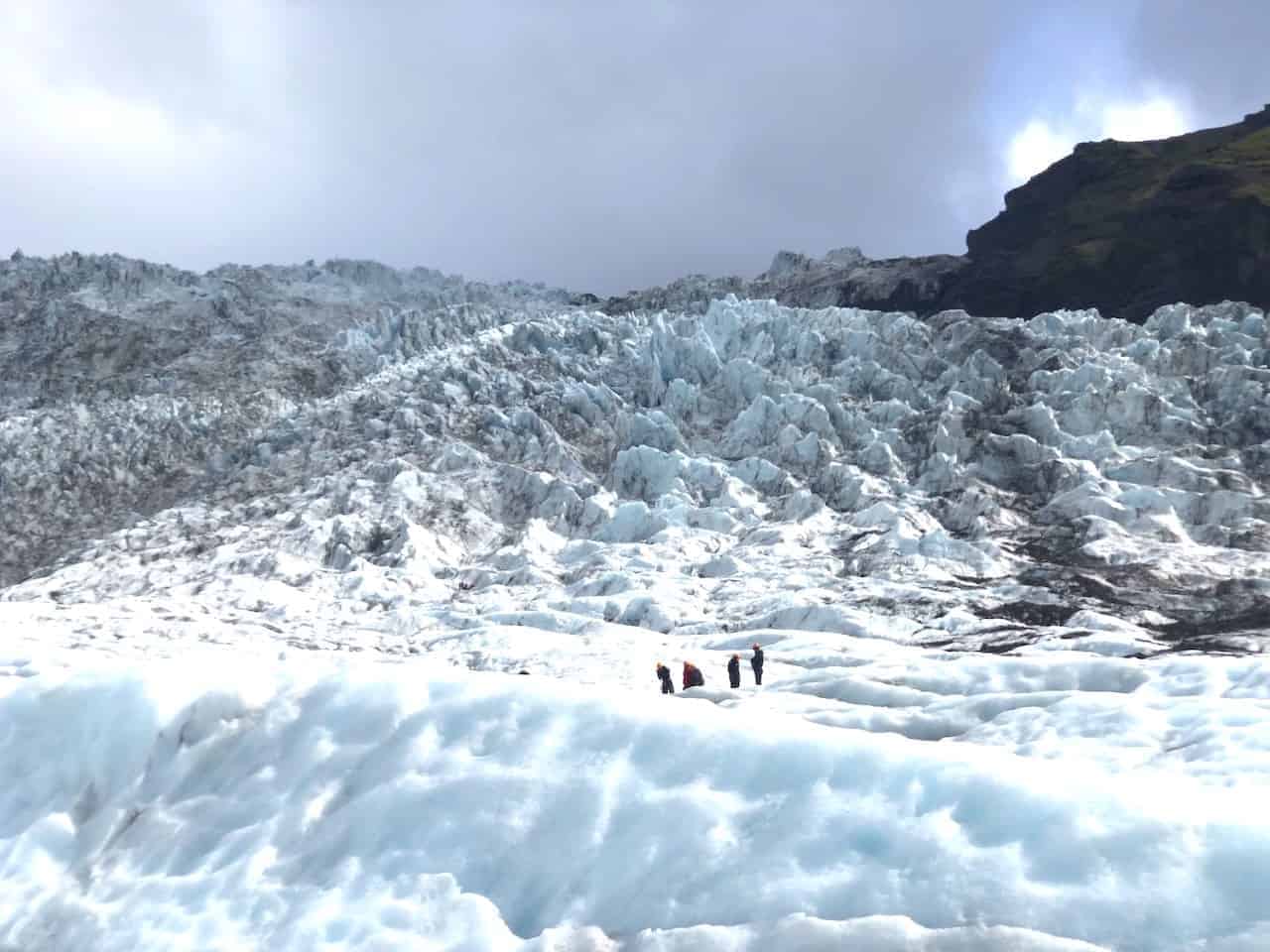
October in Iceland can give you golden light, half-empty viewpoints and weather that changes its mind before you’ve finished your morning cup of coffee. It’s a rewarding time to drive, provided your plans include charging stops, shorter daylight hours and the possibility of a sensible retreat when the wind starts becoming questionable.
The country’s charging network is no longer confined to Reykjavik and a few optimistic dots along the Ring Road. Monitoring lists more than 700 charging sites and over 200 fast-charging stations nationwide, making an electric itinerary entirely workable, although it’ll always be a better idea to plan the next stop before admiring the current waterfall.
Let the Charging Stops Shape Your Day
Choosing among electric rental cars in Iceland starts with the route you’re planning rather than the badge on the vehicle. A compact model can suit Reykjavik, the Golden Circle and paved-road journeys, although longer rural days may call for closer attention to range, luggage, heating use and the distance between charging points.
Compare the usable battery range with your longest planned stretch, then leave room for conditions that won’t appear in the manufacturer’s headline figure. Four adults, winter coats and luggage place different demands on a car than one traveler with a small bag. A model that looks excessive for city driving can become the comfortable choice once several long days are involved.
Make charging part of the journey by placing it in towns you’d have stopped in anyway. A cafe lunch, geothermal pool or museum visit is far nicer than sitting in a parking lot watching a battery percentage crawl upward. Selfoss, Borgarnes and Akureyri have charging sites, while towns around the Ring Road give you regular opportunities to combine a break with a top-up.
Download the relevant charging apps before departure, check connector compatibility and add a working payment method while you still have reliable Wi-Fi. ON Power and Isorka are two of the networks you’ll encounter, although other providers operate around the country. One map might show every nearby site, while the operator’s own app gives you the live status and starts the charging session.
You don’t always need to charge to 100 percent. Fast charging generally becomes slower as the battery fills, so two shorter stops can fit the day better than waiting for the final percentage points. Your rental provider can explain the recommended charging range for the specific model.
Choose a Route That Fits the Available Time
The Golden Circle is the easy starting point for a first electric trip. Its popular stops sit within a manageable loop from Reykjavik, and the surrounding towns provide several charging options. You can visit Pingvellir, the Geysir geothermal area and Gullfoss without committing to an enormous distance on your first day with an unfamiliar car.
The South Coast also works well when you divide it sensibly. Waterfalls near Hvolsvollur and Skogar, the black-sand coast around Vik and the longer drive towards Jokulsarlon shouldn’t all be squeezed into one hurried outing from the capital. Stay overnight along the route and you gain daylight, charging time and far more patience for the weather.
A complete Ring Road circuit is possible in an electric car, although it benefits from a longer schedule. Seven days can disappear quickly once poor visibility, road conditions or an unexpectedly good hiking stop enters the picture. Ten days or more gives you greater flexibility and allows you to spend time outside the car instead of treating the island as a beautiful endurance test.
Overnight Charging Can Simplify the Next Morning
Accommodation with charging can remove an entire daytime stop. Plugging in after dinner lets the car refill while you’re asleep, and leaving with a useful charge makes the first part of the morning far more relaxed.
Confirm the arrangement directly with the property rather than assuming a charger shown in an old listing will be available. Ask whether it must be reserved, which connector it uses and whether charging carries a separate fee. A guesthouse with one socket and six electric cars in the parking area calls for slightly more coordination than the phrase “EV charging available” suggests.
Slower AC charging is well suited to an overnight stay, provided the car will remain parked for several hours. You may need the charging cable supplied with the rental, so check where it’s stored before leaving the collection point. This is also a good time to ask whether the car must be returned with a particular battery level.
Range Depends on More Than the Battery
Cold temperatures, headwinds and wet roads can lower your practical travel range, so keep a generous reserve instead of treating the dashboard estimate as a personal challenge. If the next charger is occupied or unavailable, that buffer turns an inconvenience into a minor reshuffle.
Cabin heating draws energy, although you don’t need to spend the trip shivering heroically. Preheating the car while it’s connected to a charger can warm the cabin before departure without drawing the same amount from the battery once you’re moving. Heated seats can also keep you comfortable without asking the climate system to warm every inch of the interior.
The Weather Gets the Final Say
Iceland’s road service publishes current surface conditions, closures and wind information throughout the year, so check the live map before leaving each morning and again before committing to a longer section. A route that looked easy over breakfast can be an entirely different proposition by lunch.
Autumn also brings less daylight, so place the longest drive earlier and keep one or two optional stops. You won’t enjoy a waterfall more because you reached it tired, in darkness and with 12 percent battery remaining. Mark one attraction as the day’s priority, then treat the others as additions if the road and weather cooperate.
Mountain roads need separate planning. F-roads generally require an appropriate four-wheel-drive vehicle and are seasonal, with limited charging in remote highland areas. A standard electric rental shouldn’t be taken onto roads excluded by the rental agreement, regardless of how pretty the route looked in somebody else’s summer photographs.
An electric road trip goes well when you stop trying to conquer the entire island in one heroic loop. Pick a region, leave breathing room and accept that weather can rewrite a full day’s itinerary. With charging folded into meals, pools and overnight stays, the pauses become part of the journey rather than interruptions to it.