
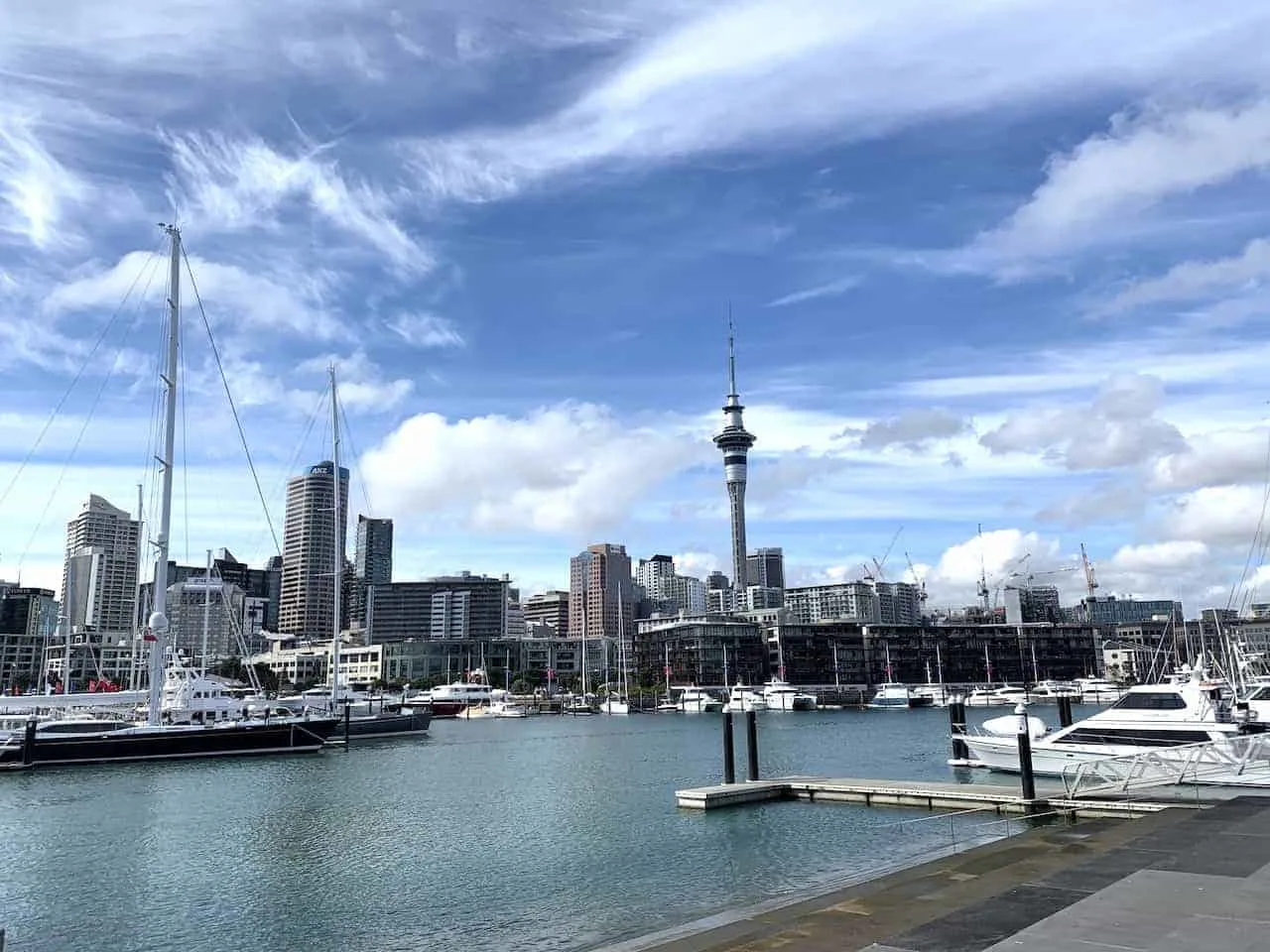
You’ve booked your flights to Auckland, mapped out the Sky Tower visit, and marked Waiheke Island on your itinerary. Your hiking boots are packed, ready to tackle some of New Zealand’s most spectacular trails. But there’s one critical aspect of your Auckland trip planning that most travel guides gloss over, and it could cost you $400 before you even leave the airport.
New Zealand’s biosecurity requirements aren’t just a formality. They’re some of the strictest border controls in the world, and for good reason. This island nation’s unique ecosystem evolved in isolation, making it extraordinarily vulnerable to foreign pests and diseases. What seems like an innocent apple in your carry-on or dirt on your favorite hiking boots could introduce organisms that devastate local agriculture and native species.
Why Biosecurity Matters More Than You Think
New Zealand guards against threats to agriculture and biodiversity, with strict border control measures being taken to prevent unwanted organisms from entering the country. The consequences of biosecurity breaches are real and costly.
The absence of fruit flies from New Zealand benefited apple and kiwifruit exports by 7.6 to 10.2 billion NZD up to 2020 and now contributes around 0.5% of the country’s GDP.
For travelers, understanding these rules goes beyond avoiding fines. It’s about respecting the land you’re visiting and protecting an environment that took millions of years to develop. When you experience the farm-to-table excellence at establishments like Paddock to Pantry, you’ll understand why preserving New Zealand’s agricultural integrity matters so much to locals.
What You Must Declare
People failing to declare biosecurity risk goods, even by accident, may be instantly fined an NZD$400 infringement fee. The declaration process starts before you land, with the New Zealand Traveller Declaration that every passenger must complete.
Here’s what catches most travelers off guard: you need to declare all food, even that granola bar at the bottom of your backpack or the airline snacks you saved for later.
Risk items include fruits, vegetables and eggs, meats, honey, cooking ingredients, herbs and seeds, or spices, anything made of plants or wood, and used outdoor equipment, including dirty boots and dirty shoes.
The Hiking Boot Problem Nobody Mentions
If you’re planning outdoor adventures around Auckland (and you should be, because the trails are incredible), pay special attention to your footwear. Many travelers arrive with hiking boots they’ve used on previous trips, and this is where things get complicated.
Used outdoor equipment must be declared, including dirty boots and dirty shoes.
Equipment might carry soil which contains diseases and pests, so MPI suggests that you “check, clean, dry” equipment before packing it. Even a single seed lodged in your boot tread can be flagged by biosecurity officers and their detector dogs.
Before you pack, scrub your boots thoroughly. Remove all visible dirt, seeds, and plant material. Let them dry completely. If you’ve been hiking in areas known for specific pathogens (like kauri dieback regions), consider bringing new boots or being prepared for inspection and potential treatment fees at the airport.
The same “check, clean, dry” principle applies to camping gear, golf clubs, and any equipment that’s touched soil or water overseas. If you’re passionate about outdoor adventures and want to prepare properly for trails worldwide, resources like hiking tips and preparation can help you understand gear maintenance between trips.
Foods You Can and Cannot Bring
You can generally bring food into New Zealand that has been commercially prepared and packaged, is shelf-stable (i.e. is safe to eat within four months without being stored in a refrigerator), and unopened. That means your sealed bag of chips is probably fine, but all food must be declared regardless.
What’s absolutely prohibited?
Raw, processed and cooked meats are all strictly prohibited, including beef, pork, poultry, lamb, venison, game meats, and seafood, and this also includes processed meats such as smoked, dried, cured, salted, and fermented meats.
Honey is a high biosecurity risk in New Zealand and therefore honey and bee products are strictly prohibited, and this includes honey, royal jelly, propolis, beeswax, and other bee products.
Fresh fruits and vegetables? Leave them behind.
Almost all fruits and vegetables are strictly banned from entering New Zealand due to strict biosecurity laws, and this includes apples, citrus, berries, leafy greens, and root vegetables.
Pre-Travel Health Preparation
While you’re focused on biosecurity, don’t overlook another crucial planning element: your health preparation.
Make an appointment with your healthcare provider or a travel health specialist that takes place at least 4-6 weeks before you leave, as they can help you get destination-specific vaccines, medicines, and information, and discussing your health concerns, itinerary, and planned activities with your provider allows them to give more specific advice and recommendations.
According to travel health experts, proper preparation includes reviewing vaccination requirements and packing an appropriate travel health kit. New Zealand itself doesn’t require specific vaccinations for entry from the United States, but it’s an excellent opportunity to ensure you’re current on routine immunizations.
Additionally, research from pretravel health studies shows that comprehensive pretravel consultations can significantly reduce health risks during international trips. Taking time for this preparation protects both you and the communities you visit.
Navigating Auckland Airport Biosecurity
When you arrive at Auckland International Airport, you’ll notice those “Declare or Dispose” bins everywhere.
Anyone who has walked from a terminal gate to the baggage carousels at Auckland International Airport will be familiar with the ‘Declare or Dispose’ bins dotted every hundred metres or so, the giant silver cylinders plastered with large posters that yell ‘$400 FINE’ across images of food, and exhaustive declaration cards and a warning video that plays to passengers upon landing make the message very clear: Aotearoa takes biosecurity seriously.
Here’s the process: complete your declaration before reaching passport control, retrieve your luggage, then proceed through customs and biosecurity. Your bags will likely be X-rayed, and detector dogs may be present.
If you have something that doesn’t quite seem to fit into a category on the declaration card or you aren’t sure if it should be declared, write it on the card and declare it to the officer anyway, as it’s much better to be over-transparent and be waved off by an officer than have it pulled out in an x-ray or by a Customs dog and questioned about.
The Bottom Line
Preparing for Auckland’s biosecurity requirements takes minimal effort but saves massive headaches. Spend 30 minutes before you pack reviewing what’s in your bags. Clean your outdoor gear thoroughly. Leave prohibited foods at home. When in doubt, declare it.
These regulations might seem strict, but they’re what keeps New Zealand’s landscapes pristine and its agriculture thriving. After you’ve cleared customs and started exploring everything Auckland offers, from volcanic cone hikes to harbor cruises, you’ll appreciate why protecting this special place matters.
Your Auckland adventure starts before you board the plane. Get the biosecurity piece right, and everything else falls into place. The trails are waiting, the views are spectacular, and that first flat white tastes even better when you know you’ve done your part to protect the land that produces it.