
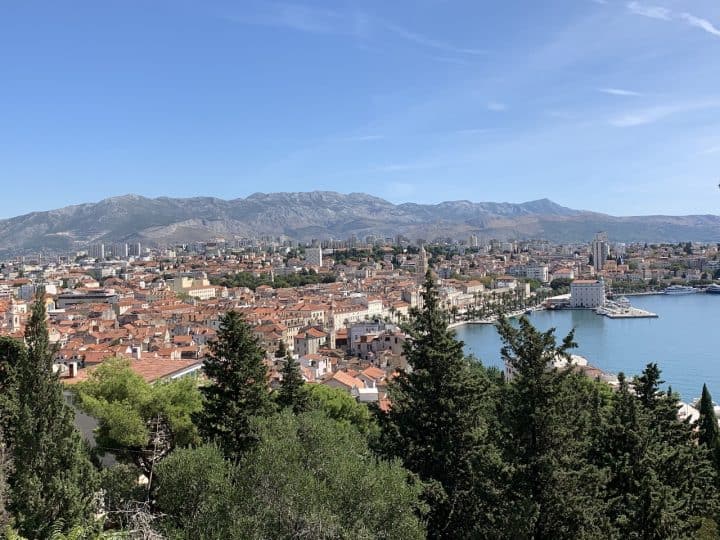
A full day in Split can cover a surprising amount of ground. You might spend the morning inside Diocletian’s Palace, walk along the Riva, explore the streets of the Old Town, and climb towards Marjan before the afternoon ends.
Once the main sightseeing is done, the evening is a good time to slow the pace and enjoy the city without another list of attractions. If a substantial dinner sounds appealing, travellers searching for a steakhouse in Split option can include Bajamonti on Prokurative in an evening route through the historic center.
Give Yourself Time After Sightseeing
One of the easiest travel mistakes is filling every hour with something to see. Split is compact, which makes it tempting to keep adding landmarks to the day. By late afternoon, however, a slower schedule often becomes much more enjoyable.
Leave some space between your final attraction and dinner. You might return to your accommodation for a short rest, stop for coffee, or find somewhere to sit near the water. This break makes the evening feel like a new part of the day instead of an extension of a long sightseeing session.
Catch the Late Afternoon Light
Split works especially well for an evening walk because many central areas are close to the sea. The Riva offers an easy route with views across the harbour, while the western side of the city provides access towards Marjan. The light often becomes softer as the day progresses, which can make this a good time for photographs.
There is no need to cover a long distance. A short walk can be enough after a busy day. Take in the boats, waterfront buildings, and changing light before turning back towards the centre for the evening.
Choose Dinner Based on Your Day
Travel changes the way people eat. After hours of walking, a light snack may no longer sound satisfying. On another day, a large lunch might mean that a simple evening meal is enough.
Think about appetite before choosing where to eat. Groups should also consider whether everyone wants individual dishes or whether sharing would work better. Restaurants with a varied menu can be useful when some people want meat while others prefer fish, pasta, pizza, or a lighter option.
Know How Dalmatian Menus Work
A few local conventions are worth understanding before you sit down. Fresh fish is often priced by the kilogram rather than per portion, so the waiter will usually bring the catch to the table and weigh your choice. Ask for the price per kilo and the approximate weight before you agree, and the bill will hold no surprises.
Some dishes also need advance notice. Peka, where meat or octopus is cooked slowly under a metal lid covered in embers, is typically ordered several hours ahead and is meant for two or more people. Others are ready when you are: black risotto made with cuttlefish ink, pašticada served with gnocchi, and brudet, a slow-cooked fish stew.
Menus in the centre vary in how far they lean into tradition. Some places stay close to Dalmatian cooking, while others run a broader kitchen with grilled meat, pasta, and pizza alongside the local dishes. The second type is easier when one half of the table wants fish and the other wants something heavier.
Try the Local Wine with Dinner
Croatian wine rarely travels far outside the country, which makes dinner in Split a reasonable place to start. Plavac Mali is the red most associated with the region, grown on the slopes of Pelješac and Hvar, and it tends to be full bodied and high in alcohol. For white, Pošip from Korčula is the usual recommendation, with Malvazija from Istria as a lighter alternative.
Ordering by the glass is the simplest way to compare a few without committing to a bottle. House wine is common and often local, so it is worth asking what the restaurant is pouring rather than assuming it is the cheapest option on the list.
You may also see locals drinking bevanda, which is red wine mixed with still water, or gemišt, white wine with sparkling water. Both are normal here rather than a compromise, particularly in warm weather or over a long meal.
Keep Location in Mind
After a full sightseeing day, location matters more than it might at lunchtime. Travelling across the city for dinner can feel less appealing when you have already spent hours walking. Staying close to the historic centre keeps the evening simple.
Prokurative is near the Riva and a short walk from the palace area. That makes it easy to include dinner as part of an evening route through central Split. You can move from the waterfront towards the square, eat, and return to the Old Town without needing to plan extra transport.
Leave Space for a Walk After Dinner
Dinner does not have to mark the end of the evening. Split’s centre is pleasant to explore after dark, when the temperature can be more comfortable and many of the stone streets take on a different atmosphere. A short walk also provides a relaxed way to finish a larger meal.
Head back towards the waterfront or wander through the streets around the palace. Familiar places often feel different at night, especially once the daytime sightseeing crowds begin to thin. There is no need for a route. Follow the streets that look interesting and enjoy seeing the city at another pace.
Let the Evening Stay Flexible
Weather, appetite, energy, and the season can all change an evening plan. During the busiest travel periods, booking dinner in advance may remove one uncertainty. At quieter times, you may prefer to decide where to eat after seeing how the day develops.
Keep the rest of the evening loose. You may want another drink after dinner, a longer walk, or an earlier night before a ferry or day trip. A flexible plan makes room for those choices without creating the feeling that you have missed something.
Finish the Day at a Slower Pace
Split offers enough history and sightseeing to keep visitors busy from morning until late afternoon. The evening works best when it provides a change of pace. A waterfront walk, a good dinner, and some time in the Old Town after dark can be enough.
Planning a few practical details helps the evening flow without making it rigid. Think about where you will finish sightseeing, how hungry you are likely to be, and whether dinner requires a reservation. Once those points are covered, leave some room for the city itself to shape the rest of the night, and the rest of your Croatia itinerary.