Europe is almost designed to make you rush. The countries sit so close together, the train connections are so good, and the bucket list is so long that it feels almost rude not to cram in as much as possible. Three capitals in a week. Five countries in a fortnight. A blur of famous squares photographed between connections. Yet anyone who has actually travelled Europe slowly will tell you the same thing: the continent gives up its best self only when you stop trying to conquer it.
The Continent That Punishes Rushing
The temptation to sprint is understandable. When Paris, Amsterdam, and Berlin are only a few hours apart by rail, the multi-country dash looks efficient. In practice, it means spending your trip in transit, arriving everywhere tired and leaving before anywhere has a chance to make an impression. You return with a passport full of stamps and almost no actual memories.
Pick one region and sink into it, and everything changes. Instead of skimming the surface of five places, you get under the skin of one. The waiter starts to recognise you. You find the café without checking the map. The trip stops feeling like a checklist and starts feeling like a life, briefly borrowed.
Seville Teaches You To Wait
Few places make the argument for slowness better than Seville. In the Andalusian summer, the afternoon heat simply refuses to let you hurry. Shops shutter, the streets empty, and the city insists you do as it does and pause. Resist it and you’ll wilt. Surrender to it and you discover the rhythm the city has kept for centuries.
The reward comes at dusk. As the temperature drops, Seville wakes up, and the evening unfolds slowly over tapas eaten standing at a bar, one small plate and one glass at a time. The scent of orange blossom hangs in the streets, families drift through the vast curve of the Plaza de España, and across the river in Triana the sound of flamenco spills out of a doorway. None of it can be rushed, and that is precisely the point.
Porto Rewards The Long Way Round
Porto is a city built for wandering rather than efficiency. Its steep, tile-clad lanes tumble down toward the Douro, and the quickest route is rarely the one worth taking. Get pleasantly lost among the azulejo-covered walls, pause in the grand hall of São Bento station to take in its painted tiles, then let the hills lead you down to the riverfront at Ribeira.
The evening ritual here is unhurried by design. You cross the Dom Luís I bridge to the port lodges of Vila Nova de Gaia, settle in as the light goes gold over the water, and sip a tawny that has spent longer ageing in a barrel than most trips last. There is no fast version of this. Port, like Porto, asks for your patience and repays it generously.
The Unhurried Evening
After a day spent climbing Porto’s hills or strolling the riverbanks of somewhere like Ljubljana, the best thing on the itinerary is often nothing at all. The quiet evening back at your room, once you stop treating it as wasted time, becomes one of the underrated pleasures of slow travel.
How you spend it hardly matters. Maybe it’s a glass of local wine on a small balcony, a few chapters of a book, a call home to describe the day, or a bit of light entertainment on your phone, whether that’s a puzzle game, a film you’ve seen a dozen times, or a few casual rounds at a UK casino for those who enjoy it, played sensibly as a bit of harmless fun. What matters is letting the day settle, giving the orange blossom and the port and the tiled streets a moment to sink in before tomorrow arrives.
Let The Train Take The Strain
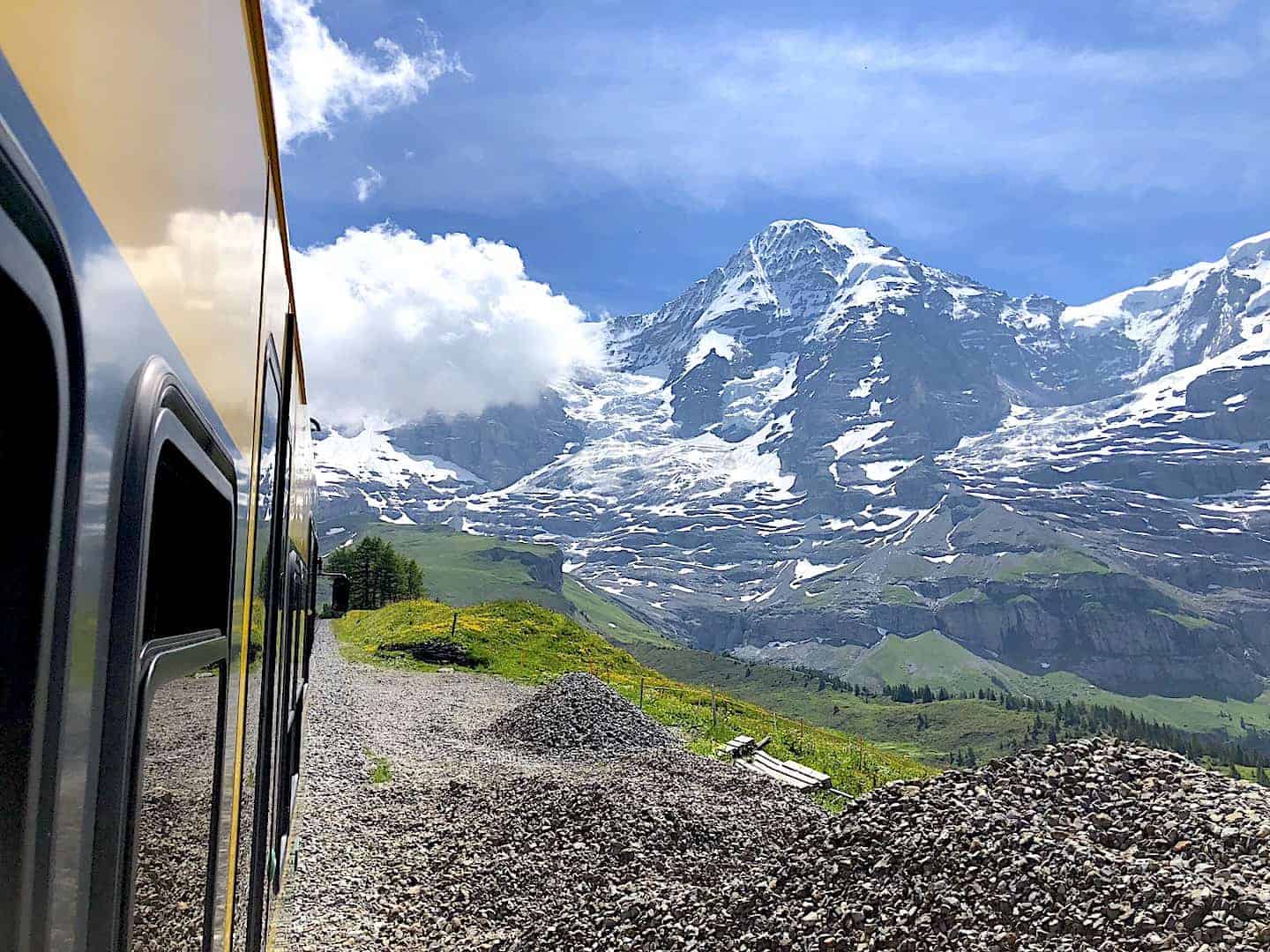
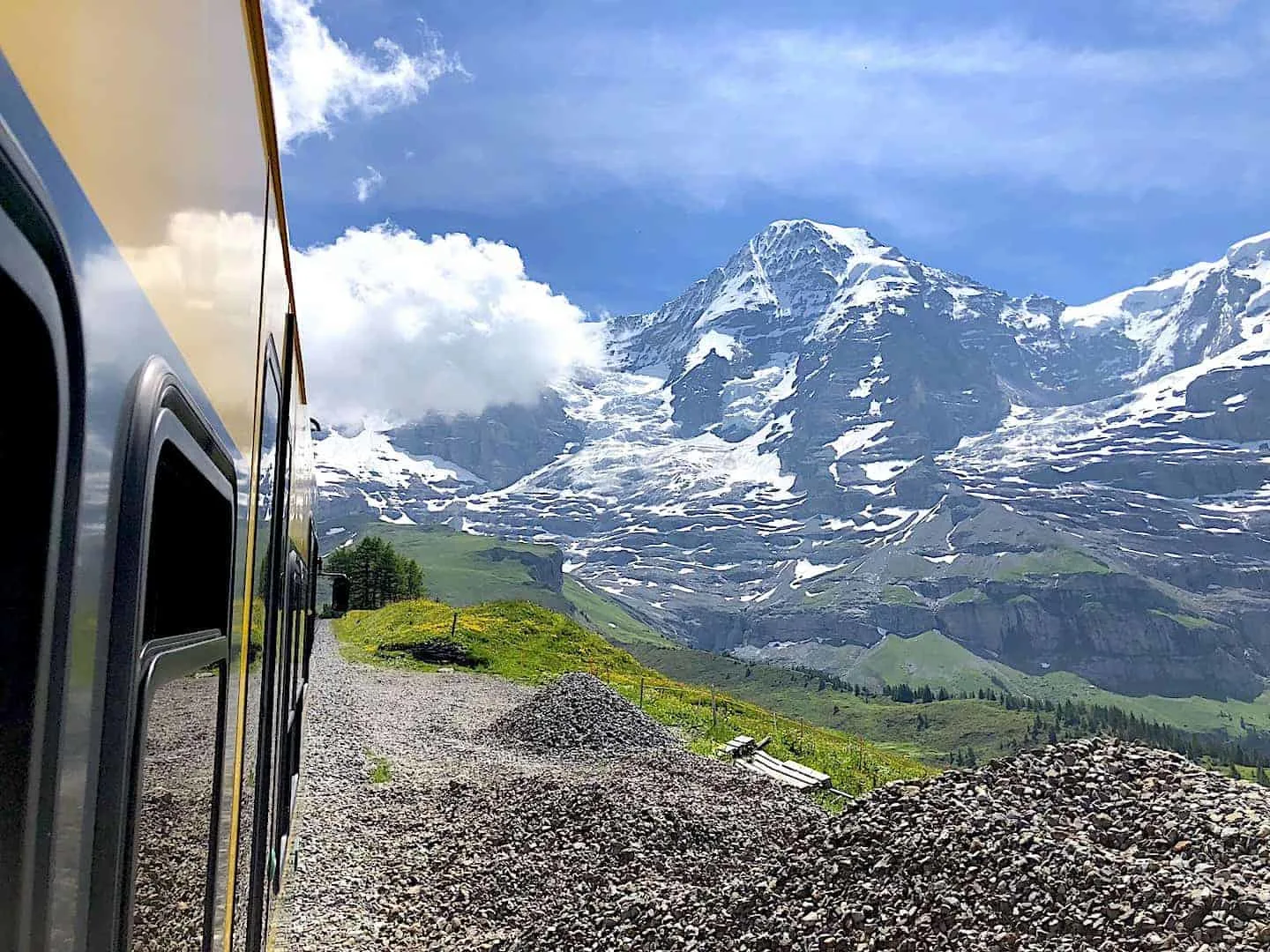
If there’s one way to travel Europe that captures the whole philosophy, it’s the slow train. Switzerland’s Glacier Express bills itself, only half-jokingly, as the slowest express train in the world, dawdling through Alpine valleys so that passengers can actually see them. The Bernina Express creeps over viaducts and past glaciers on a line so beautiful it earned UNESCO status.
These journeys turn the in-between into the highlight. Instead of enduring the transit, you watch a continent scroll past the window: vineyards along the Douro line, lakes and pine forests through the Alps, hilltop towns appearing and dissolving. The destination stops mattering quite so much, because the going is the good part.
Rest Is Part Of The Trip
This slower approach reflects a genuine shift in how people travel. Tourism keeps growing, but according to UN Tourism, the United Nations agency for the sector, travellers increasingly favour authentic, immersive experiences over merely ticking off sights. A long lunch in a Tuscan hill town, an aimless morning by the Ljubljanica river, a slow day with Lake Bled to yourself: these are the moments that define a trip, and they only happen when the schedule allows them.
What You’ll Actually Remember
Years later, you won’t recall how many cathedrals you rushed through. You’ll remember the specific, slow moments: the orange-scented Seville dusk, the tawny port glowing over the Douro, the train easing through an Alpine valley with nowhere to be. Europe rewards the traveller who lingers. Leave the gaps, take the slow train, protect your quiet evenings, and let the continent set the pace. It has had a lot of practice.