

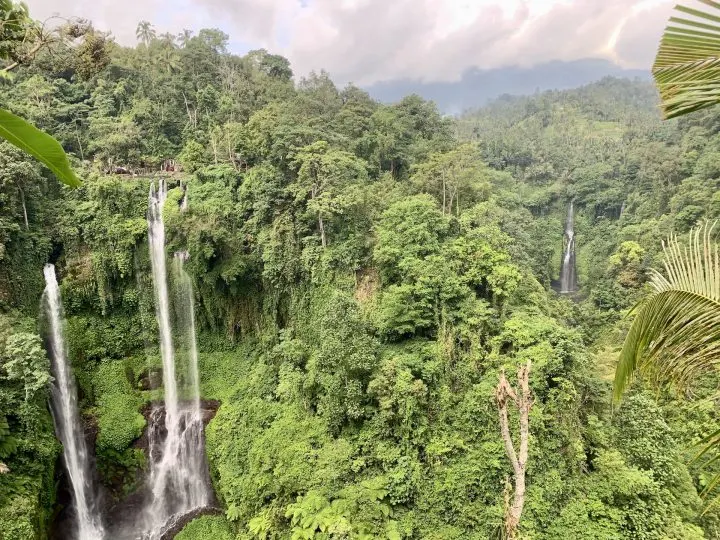
Asia is one of the best regions for student backpackers who want culture without spending too much. The continent offers temples, street food, markets, mountain towns, beaches, old cities, and busy capitals. It also gives students many ways to travel slowly and learn from daily life.
For many students, backpacking is not only about taking photos. It is a chance to understand history, religion, food, language, art, and local traditions. A good route can feel like a moving classroom, but with better snacks and fewer lectures.
Why Asia Works Well for Student Backpackers
Asia is ideal for students because it offers variety. One trip can include ancient temples, rice fields, colonial streets, local trains, cooking classes, and beach villages. The experience can fit many interests, from history and architecture to food, music, and nature.
Many student backpackers also like Asia because travel can be flexible. Plans can change without ruining the whole trip. A student can stay longer in a cheap hostel, skip expensive tours, or choose overnight buses instead of flights.
Students often travel on tight budgets because every saved dollar can support rent, textbooks, transport, meals, and course materials. Many also pay for software, printing, language tests, tutoring, or other educational needs. That is why low-cost choices on the road matter so much. When coursework follows them during a trip, using the free PapersOwl plagiarism detector can help them review drafts without spending extra money. Small savings from free academic tools and local travel habits can reduce stress. They also leave students more room to enjoy culture through markets, public transport, and simple guesthouses.
How to Build an Affordable Asia Itinerary
A smart student itinerary should avoid rushing. Too many cities can make the trip stressful and expensive. Moving every day also leaves little time to understand a place.
The best plan is to choose one region and explore it well. A two-week trip can focus on one country. A one-month trip can connect two or three nearby countries. Longer breaks can include a broader route across Southeast or South Asia.
Students should also think about transport. Buses and trains usually cost less than frequent flights. They also show more of the country. A long train ride can reveal landscapes, small towns, and daily routines that airports hide.
Itinerary One Thailand Cambodia and Vietnam
This route works well for first-time student backpackers. It mixes big cities, temples, food culture, and historical sites. It also gives enough variety without becoming too complicated.
Start in Bangkok for three or four days. Students can explore temples, canals, night markets, museums, and street food areas. Bangkok is busy, but it teaches travelers how to move through a major Asian city.
Next, travel to Siem Reap in Cambodia. This stop is important for culture lovers because of Angkor. Students can spend several days visiting temples, learning about Khmer history, and exploring local markets.
After Cambodia, continue toward Vietnam. Ho Chi Minh City is a good starting point for museums, cafés, street food, and modern urban life. From there, students can move north toward Hoi An, Hue, Hanoi, or Ninh Binh.
This itinerary is strong because it balances history and daily culture. It also gives students many affordable choices for meals, transport, and accommodation.
Itinerary Two Northern Thailand and Laos
This route is better for students who want a slower pace. It focuses on temples, mountains, river towns, and relaxed cultural experiences. It is also a good option for travelers who dislike packed schedules.
Begin in Chiang Mai. Students can visit temples, take a cooking class, explore weekend markets, and learn about northern Thai culture. The city has a calmer rhythm than Bangkok, which helps travelers settle in.
From Chiang Mai, continue toward Chiang Rai or the border area. Then move into Laos and travel to Luang Prabang. This town is known for temples, quiet streets, river views, and traditional architecture.
Students can also add Vang Vieng or Vientiane if they have more time. The route works best when travelers avoid rushing. Laos rewards patience, long walks, and simple days.
This itinerary is ideal for students who want reflection, nature, and culture. It also suits backpackers who prefer small towns over crowded party routes.
Itinerary Three Vietnam From South to North
Vietnam is a strong choice for students who want one country with many contrasts. A single route can include major cities, beaches, mountains, caves, old towns, and food traditions.
Start in Ho Chi Minh City. Students can visit museums, markets, cafés, and historic neighborhoods. The city feels fast and energetic, so it is a powerful introduction.
Next, travel toward Da Lat, Nha Trang, Hoi An, or Hue. Each stop gives a different view of Vietnam. Hoi An is especially useful for students interested in architecture, trade history, and local crafts.
Continue north to Hanoi. The Old Quarter, lakes, temples, and food streets make the city memorable. Students with extra time can visit Ninh Binh, Ha Long Bay, Sapa, or Ha Giang.
Vietnam works well because the country has a natural route shape. Students can move from south to north, or north to south, without needing complicated planning.
Itinerary Four Malaysia and Indonesia
This route is great for students who want culture, food, islands, and city life. It can also work well for travelers who enjoy multicultural destinations.
Begin in Kuala Lumpur. The city offers mosques, temples, street food, museums, and modern architecture. Students can learn about Malay, Chinese, Indian, and global influences in one place.
Next, visit Penang. George Town is excellent for street art, food, heritage buildings, and walking tours. It is a strong cultural stop for students who enjoy history and urban design.
After Malaysia, fly or ferry toward Indonesia. Bali is popular, but students can explore beyond the most crowded areas. Ubud offers temples, rice terraces, dance performances, and craft markets.
Students with more time can add Yogyakarta. It is a strong cultural base for learning about Javanese arts, temples, and traditional performance.
This itinerary is best for students who want variety. It mixes food, religion, art, architecture, and nature in a manageable route.
Itinerary Five Nepal and Northern India
South Asia can be intense, but it offers deep cultural rewards. This route is better for students who want history, spirituality, mountains, and strong sensory experiences.
Start in Kathmandu. Students can explore temples, old squares, monasteries, markets, and nearby villages. The city is rich in religious and artistic traditions.
Then move to Pokhara for lakes, mountain views, and a slower atmosphere. Students interested in trekking can plan short routes, but they should respect safety and weather conditions.
After Nepal, some travelers continue into northern India. Delhi, Jaipur, Agra, Varanasi, and Rishikesh offer very different cultural experiences. Each city has its own rhythm and challenges.
This itinerary needs careful planning. Distances can be long, and culture shock may be real. Still, it can be one of the most meaningful routes for curious students.
Budget Tips for Student Backpackers in Asia
Students should choose local meals when possible. Street stalls, small restaurants, and market food often cost less than tourist cafés. They also show more of local life.
Hostels can also help reduce costs. Many offer shared kitchens, free walking tours, social events, and local travel advice. For solo students, hostels can make the trip feel safer and less lonely.
Transport choices matter too. Night buses and trains can save one night of accommodation. Local buses may take longer, but they often cost much less than private transfers.
Students should also avoid paying for every attraction. Free temples, public parks, markets, old streets, and local festivals can be just as memorable as ticketed tours.
Cultural Travel Rules Students Should Respect
Affordable travel should never mean careless travel. Students need to respect local customs, especially at religious sites. Covered shoulders, quiet voices, and polite behavior matter.
Learning a few local words also helps. Simple phrases for hello, thank you, and sorry can make daily interactions warmer. People usually notice when travelers make an effort.
Backpackers should also think about responsible spending. Local guesthouses, small food stalls, family-run tours, and local guides often keep money closer to the community.
Photos require respect too. Students should ask before photographing people, ceremonies, monks, or private spaces. A cheap trip should still be thoughtful.
Final Thoughts
Affordable Asia itineraries can give student backpackers more than a low-cost holiday. They can offer real cultural learning, confidence, independence, and new ways of seeing the world.
The best route is not always the longest one. A smart student trip leaves time to walk slowly, ask questions, taste local food, and notice small details.
Asia rewards curiosity. With a simple backpack, flexible plan, and respectful attitude, students can build a journey that feels rich without becoming expensive.